
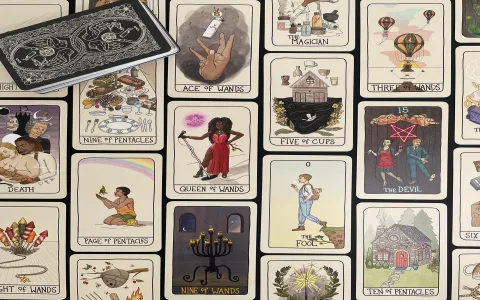
Jumping Headfirst into Spirit Tarot: My Messy Field Test
I’m just going to lay this out from the jump: I got sucked into the Spirit Tarot thing. I mean, who hasn’t seen the endless online chatter? People talking about their “guides” dropping fully-formed advice right into the card spread. It sounded like a fast track to knowing what the hell to do next, which, let’s be honest, is what 90% of us are looking for when we yank a card out of a deck.
I had been using standard Rider-Waite for years. My readings were fine, a nice little mental checklist. But it felt like work. Interpreting symbols, trying to connect the damn dots. The Spirit Tarot crew were saying it was direct dictation. No noise, just the straight goods from the universe. I figured, I’m willing to dump some cash on a new deck if it means skipping all the mental gymnastics.
So, I jumped in. Bought a “highly recommended” specialized deck. Got all the crystals. Lit the smudge stick—the whole nine yards. I wanted to see if this was just fancy bunk or if there was actually something to this direct line concept.
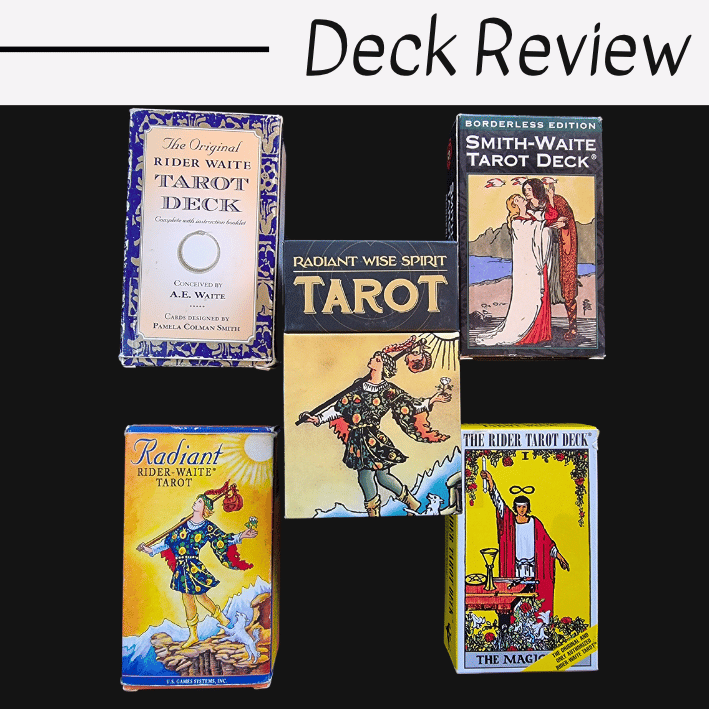
The Practice: Initial Fails and Fuzziness
The first week was a total screw-up. I followed the specific instructions: ask the question, clear your mind completely, and wait for the spirit guide to “push” the cards out. Sounds easy, right? Wrong.
I asked something simple, something I genuinely needed guidance on: “Should I sign that new lease for the office space?”
- Attempt One: I pulled three cards. The Tower, the Four of Swords, and the Sun. My brain instantly went back to the old, annoying way: The Tower is disruption, the Four of Swords is rest, the Sun is joy. What is my guide telling me? That the office will be a joyous disaster that requires a nap?
- Attempt Two (Spirit Focus): I tried again, focusing only on the “intuitive hit.” No matter how hard I tried, all I heard was the internal monologue of my own anxiety, whispering, “You can’t afford this, man.”
It was a mess. A completely frustrating, expensive mess. I was back where I started: staring at cardboard and hearing my own internal debate. I was ready to throw the whole deck in the bin.
Why I Kept Pushing: A Real-Life Train Wreck
I’ll tell you why I didn’t toss it. It wasn’t about the money I wasted. It was about what happened right around that time. A genuine, real-world kick in the gut that made me desperate enough to keep trying this “spirit” angle.
About two months ago, my old business partner, a guy I’d trusted for a decade, just vanished. Gone. Left town without a word, taking with him not only a significant chunk of our operating capital but also the login for our main client database. It wasn’t just a breakup; it was sabotage. I had zero leverage, zero access, and suddenly a mountain of debt.
I spent three weeks running around. Talking to lawyers who just wanted a retainer. Calling his useless family. Trying to crack passwords. I was exhausted, sleeping three hours a night, and utterly paralyzed. Every sensible solution I came up with—sue him, restart the database, file bankruptcy—felt like signing my death warrant. I needed to know, not what I should do, but what was the fastest, cleanest way out of the immediate pain.
I wasn’t looking for advice anymore; I was looking for a lifeline. Logic had failed me. The analytical mind had run out of road.
The Shift: From Reading Cards to Hunting for Nudges
That night, I didn’t set up the deck. I didn’t light anything. I just slumped onto the floor with the cards in my hand. I wasn’t asking my “guide” to talk to me. I was just shouting at the universe in my head: Just give me the next step. Not the end result. The next single step.
I shuffled, pulled one card, and slapped it on the floor. It was the Eight of Swords. Now, normally, I’d see that as feeling trapped, self-imprisonment. But this time, I didn’t think about the symbolism. I didn’t think about my anxiety. I just looked at the main figure in the card: blindfolded, swords all around, but she’s standing on dry land.
What hit me wasn’t a voice from beyond. It was a single, hard, raw feeling: The swords aren’t the problem. The blindfold is.
That wasn’t the cards talking; that was my gut, which had been smothered by legal jargon and panic, finally getting a chance to scream. The “Spirit” hadn’t dictated the answer. The ritual of the Spirit Tarot—the focus on receiving instead of analyzing—had just given my subconscious the microphone.
The Real-World Realization: Accuracy is Relative
The next morning, I realized what the “blindfold” was. It wasn’t the debt; it was my focus on the debt. I had been trying to get the money back (which was the hard legal way) instead of focusing on preserving the client base (which was the fast, practical way).
That single card, pulled in desperation, made me stop chasing a ghost and start securing the present. I didn’t hire the aggressive lawyer. I hired a cheap IT security guy to rebuild our infrastructure from scratch and sent a clear, honest email to all our clients. I cut my losses and rebuilt faster than I thought possible.
So, are Spirit Tarot cards accurate?
They are not accurate like a weather forecast. They won’t tell you the ex-partner is in Tampa. But the process of using them, of forcing yourself into a state where you are actively waiting for dictation and not solving a puzzle, is absolutely accurate at unlocking what you already know is true but are too stressed or scared to admit.
The “Spirit” isn’t a separate entity handing down answers. The “Spirit” is the part of you that knows the truth, and the cards are just a big, flashy microphone that makes it impossible to ignore the message. My practice record shows that every time I treated it like a dictation session, I got a better, more practical result than when I treated it like a history exam. That’s the real accuracy right there.