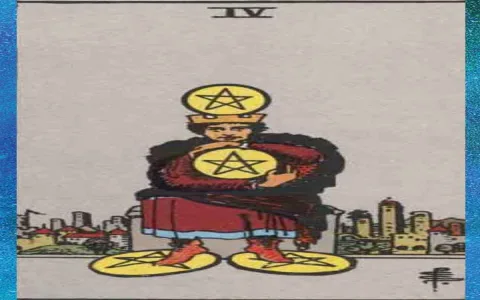

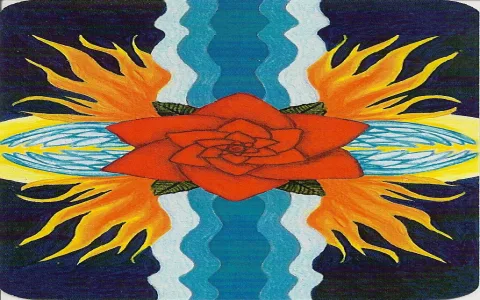
When I first laid eyes on the Rosetta deck, I was already deep in the game, you know? I had my old comfort decks, the ones you can just riffle through while half-watching TV, pulling a quick daily card. But I wanted something more serious, something with some real intellectual muscle. I saw the images for the Rosetta, all that Thoth-inspired complexity and detail, and I thought, “This is it. This is the big league.” So I clicked and I bought it.
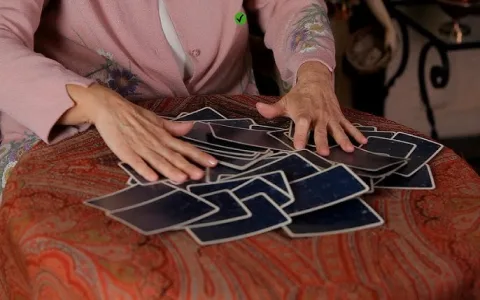
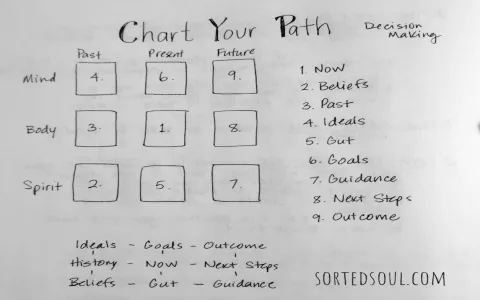
The box finally showed up, heavier than I expected. I cracked it open, and everything looked amazing, all the rich colors and geometry. Then I tried to read with it. That’s when the whole thing went sideways. I tried my usual three-card spread: Past, Present, Future. It was an absolute mess. I got a bunch of the Courts, maybe three Aces, and the whole thing was incoherent. The reading was disjointed, like listening to three different radio stations at once. My normal methods simply did not work. This deck looked at my simple “Past, Present, Future” and just laughed.
I realized I couldn’t treat this like any other deck I had ever owned. I had to throw out the rule book entirely and start experimenting from scratch. It sat on my shelf for two weeks while I figured out its whole deal. I started reading up on the Qabalah just to understand the artwork—that’s how intimidating this thing was. It demanded homework.
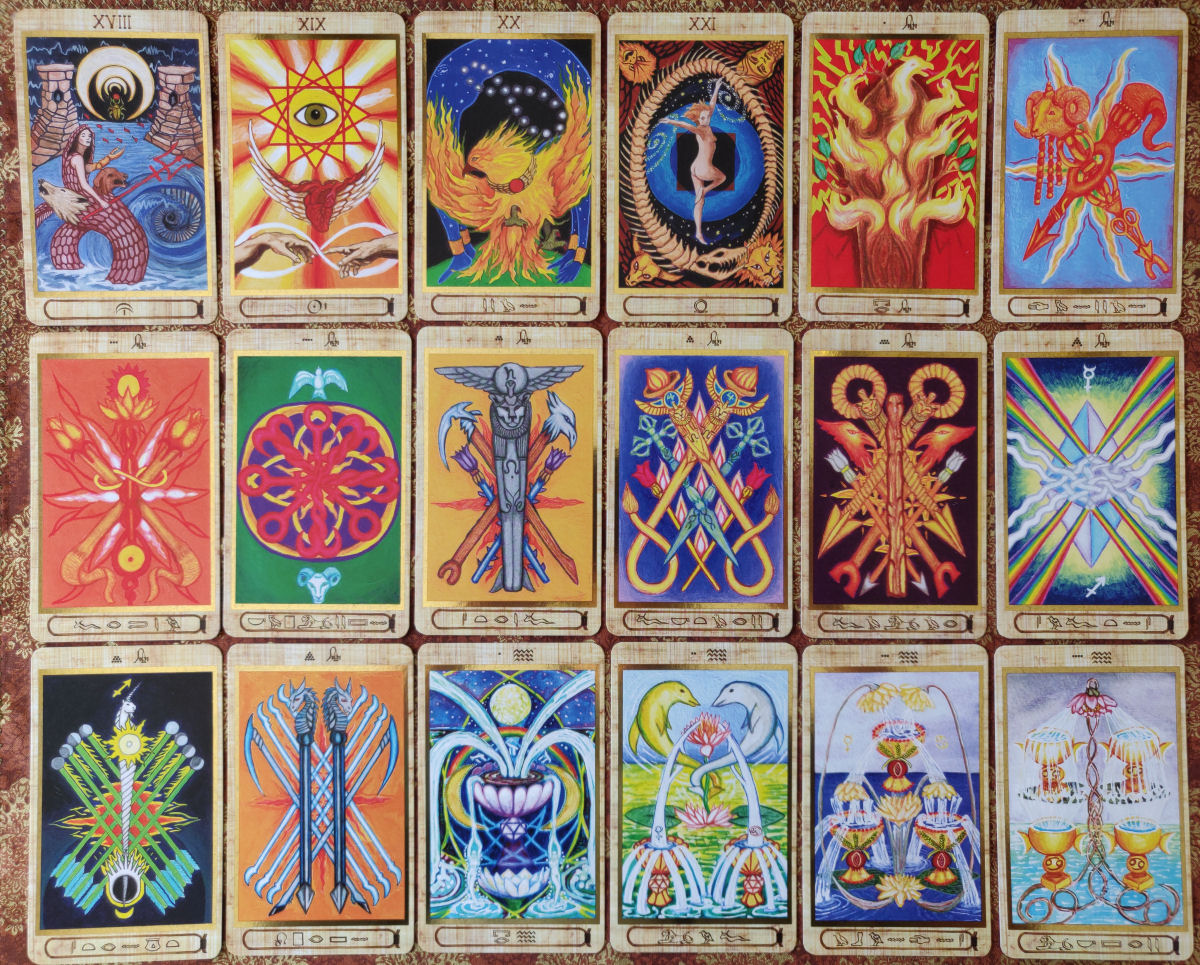
Ditching the RWS Mindset
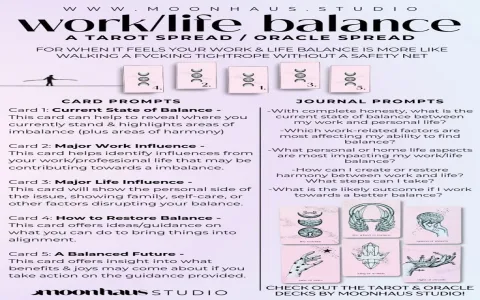
The first thing I did was get rid of those standard positions. I figured the spread had to be as complicated as the deck. I started modifying the basic line. Instead of simple time-based positions, I assigned metaphysical concepts, forcing the cards to speak a different language.
- Card 1: The Root Tension. This was the spiritual or unconscious starting point of the issue.
- Card 2: The Form/Container. What is the established structure that holds the problem?
- Card 3: The Active Force. What is the energy currently causing movement?
- Card 4: The Final State. Not just the future, but the fully materialized outcome.
This was better. Way better. It forced me to look at cards like the Princes and Queens not as people, but as modes of operation—how an energy acts within a specific element. I started treating the cards less like pictures and more like algebraic equations. But I felt I was still scratching the surface. The Rosetta felt like it was built for something massive, something structural.
Going Big: The Tree of Life Layout
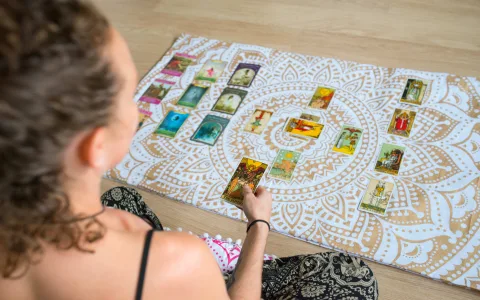
That’s when I pulled out the big guns. You can’t use a deck this heavily rooted in esoterica without going straight to the source. I got a huge piece of black cloth, grabbed some white chalk, and manually drew out the entire Tree of Life. All ten Sephiroth circles, all the paths, the whole shebang. It took me maybe an hour just to get the diagram right. My wife thought I was losing it, scribbling on a blanket on the floor.
Then I shuffled the deck, really putting intent into it. I started placing the cards right onto the chalked circles, one for each Sephiroth, Kether down to Malkuth. This spread is a beast. It’s like mapping your entire consciousness onto the deck. I spent an entire afternoon processing a single ten-card pull. The way the Tens and the Knights landed in Malkuth (the physical world) versus how the Aces and Princes landed up in Netzach or Hod (emotion and intellect) told a complete, coherent story about one specific, complex issue I was struggling with.
This is also when I finally cracked the code on Elemental Dignities. With my older decks, I could ignore them—not with the Rosetta. If you have a bunch of Swords (Air) piled up near another group of Wands (Fire), the reading becomes about intense conflict and mental overload. But if those Swords are next to some Pentacles (Earth), the Air is grounding itself, making the thought processes productive. It made the entire reading feel scientific, not just intuitive.
The Spreads That Sing
After all that trial and error, I found two spreads that really make the Rosetta Tarot work overtime.
The Tetragammaton Breakdown
I found this spread in some old book. It’s a four-card spread, but the positions are tied to the four Hebrew letters of the unpronounceable name, which reflects the process of creation itself. It’s incredibly direct.
- Yod (Top, Fire/Idea): The seed of the matter, the pure creative intent.
- Heh (Left, Water/Form): The container for the idea, the emotional reality.
- Vav (Right, Air/Action): The means, the execution, the movement.
- Heh Final (Bottom, Earth/Result): The final, physical manifestation.
If you have an issue, running it through this four-part machine is brutal but efficient. It instantly tells you if the problem is in your planning (Yod), your emotional buy-in (Heh), or your actual steps (Vav).
The Simplified Astrological Wheel
The Rosetta is just dripping with astrological symbols, so bypassing that felt stupid. I use a simple 12-card wheel, one for each House, mapped to the standard life areas: personality, money, communication, home, and so on. Laying the cards out like this forces the deck to address practical, real-world issues while leveraging its own internal complex structure.
The best way to use this deck? Stop treating it like a party trick. Get a big table. Draw a diagram. Make it a ceremony. The Rosetta doesn’t want quick insights; it wants a full architectural blueprint of your problem.