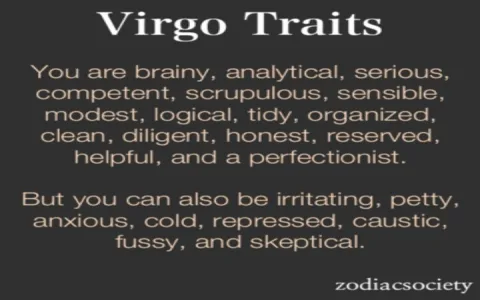


I spent a good five years scratching my head, trying to figure out why my partner was wired the way they were. Seriously. On paper, they looked perfect. Responsible, showed up on time, remembered every single thing I ever mentioned, and kept a house that looked like a photo shoot for a minimalist design magazine. A real catch, right? That’s where the trouble starts, because that surface-level perfection bleeds into everything else, especially into how they handle love. It’s not a soft, fuzzy thing for them; it’s a project. I learned this the hard way, through a lot of yelling and an even larger amount of sulking in separate rooms.
The practice started with what I thought was their annoying habit of nitpicking. We’re talking relentless, microscopic analysis of everything. I swear, that one time I left a wet glass ring on the wooden coffee table, I thought a bomb had gone off. It wasn’t just “Hey, can you move that?” Nah, it was a full five-minute breakdown about entropy and disrespect for wood grain and how if I can’t handle a simple piece of furniture, how can I handle a serious commitment? I was ready to just pack up and call it a day because everything felt like an impossible test.
My first move—my initial practice run—was to fight back. I’d point out their flaws, their own disorganized spots, their silly routines. Big mistake. That just makes them shut down instantly. They retreat and start mentally filing away all the reasons you are the problem, confirming their internal belief that they can only rely on themselves. I tried to argue logic with them, which is like trying to put out a fire with gasoline. They invented logic; you can’t win that battle. The whole process was a disaster.

The Big Pivot: Understanding the Operating System
It took my best friend, who’s an old-school marriage counselor, to finally knock some sense into me. He said, “Man, they don’t criticize you because they hate you; they criticize the mess because they are trying to fix it. They literally can’t rest until everything is optimal. Their love language isn’t cuddling; it’s Service and Perfection. If they’re criticizing you, it means they still see potential for you to be better, and they want to help you get there. It’s their weird, analytical way of caring. Stop taking it personally.”
That right there was the breakthrough. It changed my entire approach. I realized I wasn’t dealing with malice; I was dealing with anxiety that manifested as a to-do list. I started charting my own course, my own set of relationship ground rules—my practice log—specifically designed to bypass their triggers and feed their need for order.
The Relationship Dos and Don’ts: My Personal Field Guide
This is what I started doing. This is the process that actually made the relationship work. You gotta lean into their world, not try to drag them out of it.
- DO: Be Precise. If you say you’ll do something at 6 PM, do it at 5:55 PM. Vague plans (“Sometime next week”) are instant panic attacks for them. Give them specifics, even if you have to fake it.
- DO: Use Lists. If you need to have a serious talk, give them an agenda beforehand. No ambush emotional meetings. They need structure to process feelings. Write down three bullet points—they will appreciate the organization and won’t get defensive.
- DO: Recognize the Effort. They do a million little things that nobody notices, like checking the car oil or calling the bank. You have to notice. If you appreciate the service, they feel seen. It validates their whole existence.
- DO: Keep the Shared Spaces Clean. This is non-negotiable. If you can handle your half of the kitchen, their stress level drops fifty percent. It’s a literal emotional meter.
And here’s what I learned you need to stop doing immediately. These actions are basically relationship self-destruct buttons:
- DON’T: Lie or Omit Details. They have an internal database of facts that’s better than Google. They will find the discrepancy. Dishonesty or even a slightly blurred truth is a catastrophic breach of the trust they’ve painstakingly built. They will shut down and never fully open back up.
- DON’T: Call Them Anal or Obsessive. Even if it’s true, they already know it. Pointing it out as a personal flaw just makes them feel unlovable and attacked. Focus on the result of their actions (e.g., “The house looks amazing”) not the behavior (e.g., “You cleaned for six hours”).
- DON’T: Try to Force Unplanned Spontaneity. Asking them to drop everything and go on an impromptu trip to the beach will not be romantic. It will be torture. They need time to plan, pack, check the weather, and budget the gas. Give them 48 hours’ notice for anything big.
- DON’T: Dismiss Their Worries. They worry about everything because they are trying to prevent failure. If they say the pipe under the sink looks loose, don’t say “It’s fine.” Say, “Okay, let’s schedule time to look at it Saturday.” Acknowledge the potential problem, and they calm down.
The final record of my practice is this: When you stop fighting their nature and start feeding their need for competence and structure, the relationship becomes incredibly stable. They might not be the most passionate, scream-it-from-the-rooftops lovers, but they are loyal, reliable, and they will absolutely fix your leaky faucet before you even knew it was leaking. It took five years of head-banging, but now I know their manual, and honestly, the stability is worth the cost of keeping the coffee table spotless.