
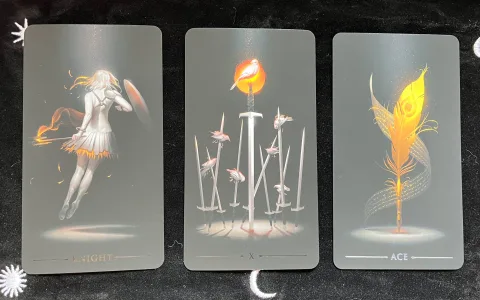
Man, I remember the exact moment I started down this whole Tarot rabbit hole. It wasn’t some deep spiritual calling or anything. It was last year, right after I got laid off. Total shock. I spent two weeks just sitting on the couch, staring at the wall, feeling like the world just decided I was irrelevant. My buddy, Mark, who’s all into weird energy stuff, swings by with a carton of beer and says, “Look, you need a new brain filter. Stop trying to plan and start trying to see.”
I was like, whatever dude, another one of your crystals? He pulls out this deck of cards. The Rider-Waite-Smith. The classic one. The one everyone online tells you is the only place to start. He just shoved it in my hand and told me to pull one a day. Don’t read the book, just look at the damn picture and tell him what I feel. That was the start of the practice.
Jumping into RWS: The Old School Grind
I bought my own RWS deck the next day, the yellow box one. It felt like homework. I cracked it open, and the art felt stiff, you know? Like it was made a hundred years ago (which it basically was). The people looked serious, the colors were muddy. When I pulled something like the Five of Swords, I knew it was bad news because the guys in the picture looked totally defeated, but the specific symbolism—the cups, the positions—it was just too much extra noise for a head that was already buzzing with anxiety. I had to keep looking up what the hell the background meant. I was supposed to be chilling out and getting clarity, but I felt like I was back in history class trying to memorize dates.
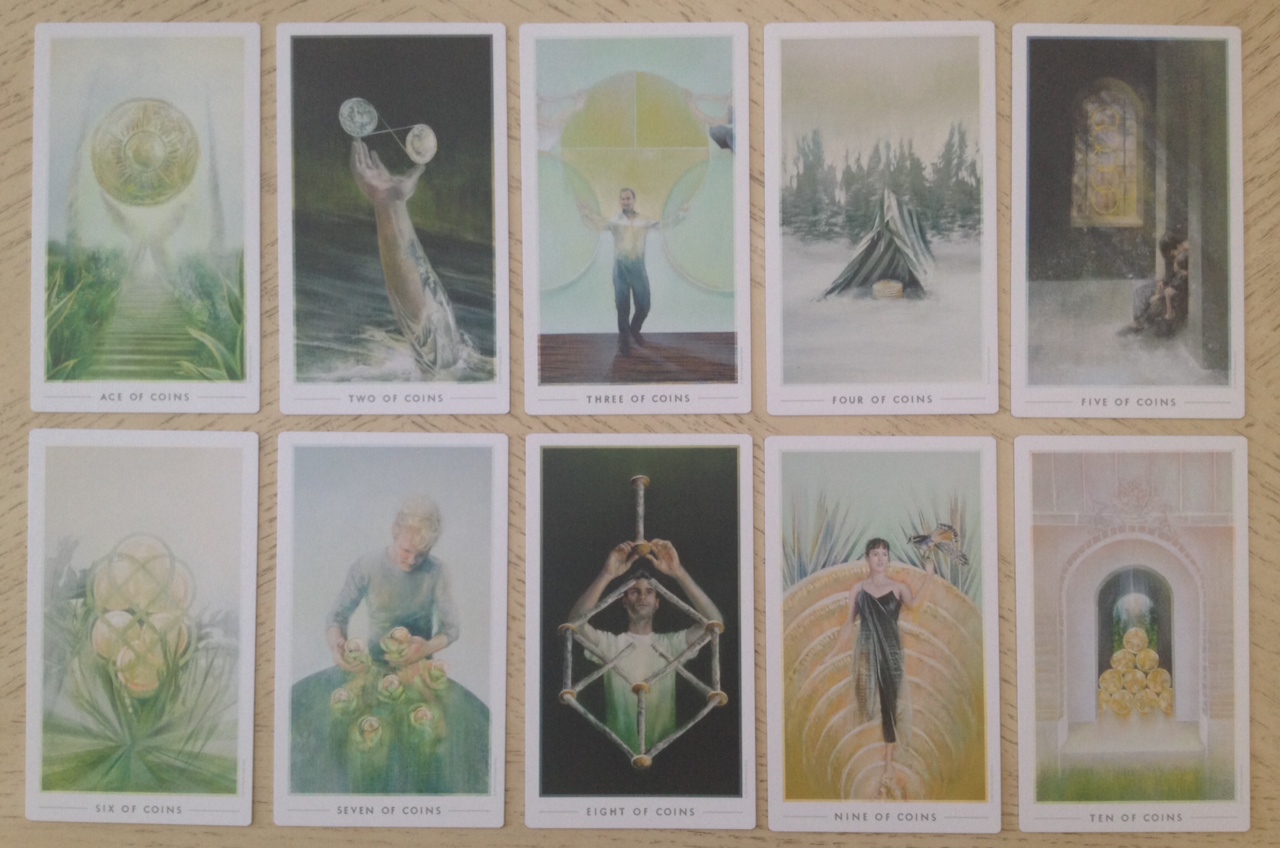
I kept at it for maybe three weeks because every single person on every forum and video said, “You have to learn the RWS first, it’s the foundation.” It was a struggle. It got the job done sometimes, but mostly, it just didn’t connect with me. My brain just kept skipping past the pictures because they were so busy and stiff.
The Fountain Deck Intervention
So, one night I was scrolling through an independent bookstore site, looking for a completely different kind of book, and I stumbled on this thing called The Fountain Tarot. The pictures they showed were insane. It was clean. It was modern. It was like someone had taken the classic idea and washed all the crust off it.
I figured, what the hell, I’m unemployed, I’ll splurge. I got the deck maybe four days later. The moment I opened the box, it was a totally different experience. The cards are smooth, matte finish. The edges are metallic silver. It just felt good to hold, like something premium, not like a cheap deck of playing cards.
Then I started pulling cards side-by-side with the RWS for the same question. That’s where the real difference smacked me in the face.
- RWS 9 of Swords: A person sitting up in bed, head in hands, nine giant swords hanging over them. Literal representation of nightmares and worry. Clear, but heavy and slightly dramatic.
- Fountain 9 of Swords: It was just a blurry, abstract field of color, mostly dark blues and blacks, with nine slivers of light or energy cutting through it.
The RWS showed me the problem. The Fountain Tarot showed me the feeling of the problem. When I looked at that Fountain card, I didn’t need to consult a book. I immediately felt that blurry, anxious, can’t-focus dread. It bypassed my intellectual brain completely and hit me right in the gut. It was pure intuition, zero homework.
Which One Stayed on the Desk?
I kept both decks on my little reading desk for two months. But the truth is, I only ever picked up the RWS when I was trying to cross-reference something for a friend who was already advanced. For my own daily practice, for trying to figure out what the hell I was doing with my life, the Fountain Tarot became the workhorse.
It was simple, direct, and the abstract art wasn’t confusing; it was freeing. I could project my own specific situation onto those clean lines and colors. The RWS kept forcing me to use their symbols, which often felt dated. The Fountain let me use my feelings.
The whole “you must start with RWS” thing? Absolute nonsense, at least for some of us. It’s like saying you have to learn to drive on a stick shift before you can drive an automatic. Sure, it’s the historical core, and I get that, but if the stick shift makes you so stressed out you quit driving entirely, what was the point?
If you’re asking me which modern deck to choose first, the answer is the one that makes you want to pick it up every day. For me, that meant the minute I saw that clean, silver-edged Fountain deck, the musty old RWS went right into the drawer. It taught me that connection is more important than tradition.