

Man, when I first got into this whole online thing, trying to figure out how to make a buck or just build something cool, ideas came flying left and right. One of them, kinda silly now that I think about it, was this thing with horoscopes. Not that I’m into astrology, but a buddy of mine, she was super into it. She ran a small online community, mostly Virgos, and she kept talking about how she wished there was an easy way to send out weekly “horoscopes” to her people, all personalized-like, without her having to manually copy-paste and email everyone.
I told her, “Pssh, can’t be that hard, right?” Famous last words, I tell ya. I figured it was just some text, some names, hit send. My brain immediately started churning, thinking about how I could whip up some code to do it. Back then, I was really trying to get better with Python, so that was my weapon of choice. I pictured myself building this slick little system, totally automated, making her life easy, and maybe impressing her a little too. A win-win, or so I thought.
First thing I did was sit down with her. She pulled out all these dog-eared books, printouts from websites, talking about planetary alignments and sun signs. Most of it went right over my head, but I got the gist: each week needed a unique, uplifting, and slightly vague message for Virgos. Not just any message, mind you. It needed to feel right. She showed me examples of what she liked, what resonated with her group. This wasn’t just data, it was… vibes.
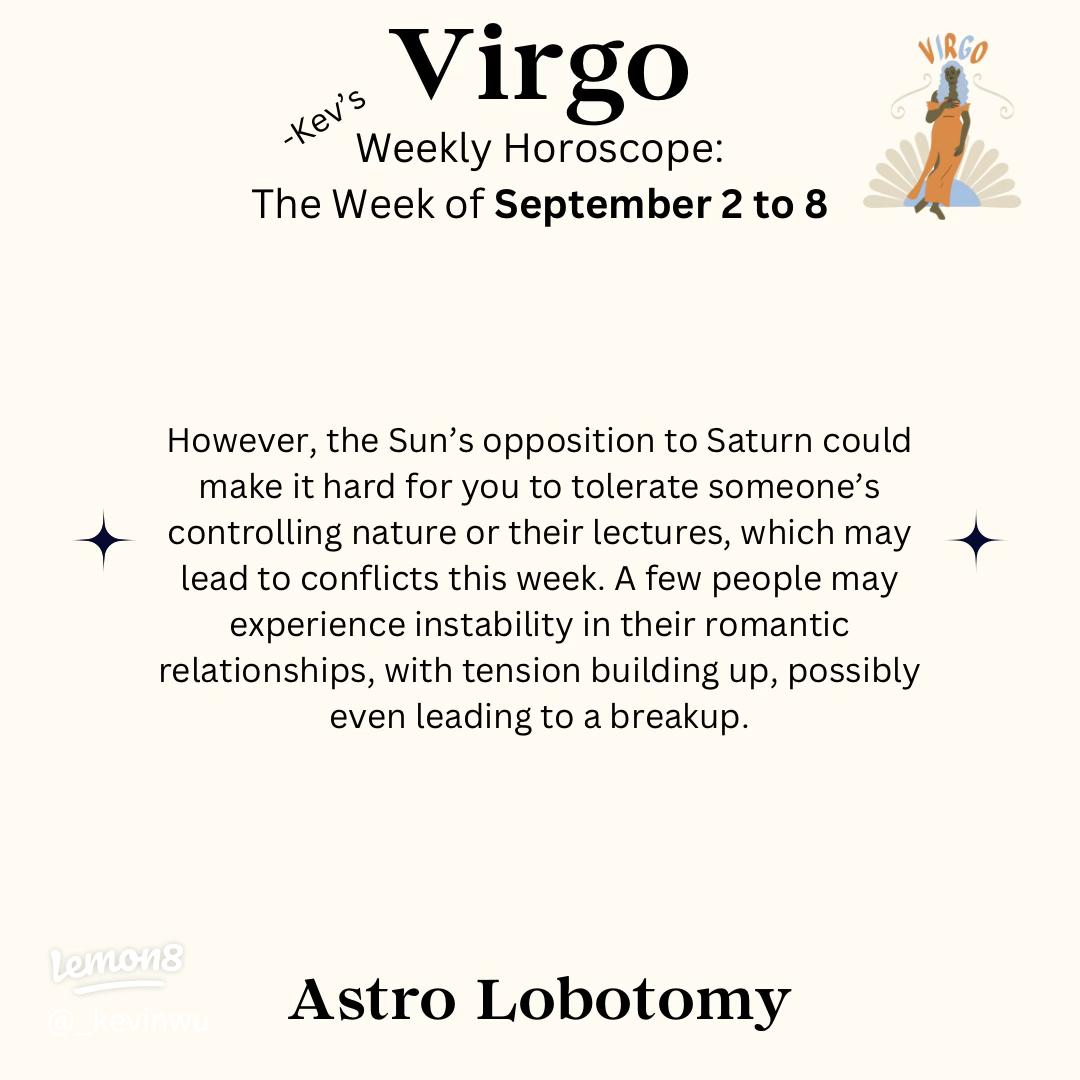
I started simple. My initial thought was to find some free online horoscope APIs or RSS feeds. I spent a few evenings just searching, digging around. What I found was mostly generic garbage, or stuff that cost money, or didn’t quite match the “tone” she was looking for. It became clear pretty fast that I couldn’t just pull pre-written stuff; it wouldn’t have that personal touch she wanted for her community.
So, plan B: try to generate it myself. I started messing around with Python, creating lists of keywords, phrases, compliments, bits of advice. My idea was to randomly combine these into sentences, then string those sentences into paragraphs. I even threw in some logic to make sure certain words appeared together or not too often. I felt pretty clever, thinking I was basically building a mini AI horoscope generator.
I remember showing her the first few auto-generated “Virgo weekly horoscopes.” She read through them, head tilted, then looked at me with this puzzled expression. “It’s… interesting,” she said, trying to be nice. “But it sounds like a robot trying to be profound. It just doesn’t feel like a Virgo message. It’s too random, too disjointed.” My carefully crafted code, my brilliant plan, instantly deflated. She was right, of course. Generating meaningful, even if vague, text that has a specific “feel” is way harder than just slapping words together. It was supposed to be inspiring, not just grammatically correct.
That was a real wake-up call. I realized I was trying to automate the creativity, or at least the human touch, and for a simple side project, that was a huge mistake. What she really needed wasn’t a content generator, but a distribution system. She had the knack for finding or writing the right messages; she just needed a way to get them out without all the manual hassle.
So, I scrapped the whole generative thing and went back to basics. I built a super simple web interface for her. I used
Flask
for the backend because it’s lightweight and I was comfortable with it. The idea was straightforward: she logs in, there’s a big text box, she pastes in her carefully chosen Virgo weekly horoscope message for that week. There was also a small field for the date she wanted it to go out.
Under the hood, that message would get saved into a tiny
SQLite database
. I also stored all her community members’ email addresses in there. Then, I wrote a separate Python script that would run once a week. This script would:
- Check the database for any new messages scheduled for that day.
- Grab the message and the list of emails.
- Use Python’s
smtplibto connect to an email server and send out the personalized email to each person on her list.
To make the script run automatically, I set up a
cron job
on a cheap virtual private server (VPS) I had lying around. It was set to fire off every Monday morning, bright and early. I thought, “This is it! Simple, effective, no fuss.”
But of course, things never go smoothly on the first try, do they? There was this one Monday, my friend called me, sounding frantic. “My Virgos didn’t get their message!” she practically screamed. She was genuinely upset, worried about disappointing her community. I checked my server logs, nothing. The cron job just hadn’t run.
I spent hours digging, trying to figure out what went wrong. Turns out, I’d messed up the
path to my Python executable
in the cron entry. A tiny, stupid mistake, but it meant the script never even started. I felt like such an absolute amateur. I had to manually log into the server, run the script, and get those emails out myself, explaining to her what happened. That day taught me a big lesson about setting up proper logging and error reporting. After that, I made sure my script would shoot me an email if it ever ran into a problem, so I wouldn’t be caught blindsided again.
After that initial hiccup, it actually worked like a charm for quite a while. She’d log in, paste her message, and like clockwork, her community got their weekly updates. It wasn’t fancy, it wasn’t cutting-edge, but it solved her problem perfectly. She used it for about a year or so before her group eventually migrated to a platform that had all these mailing list features built-in. But for me, it was a practical lesson in understanding what people really need versus what I think they need. And definitely a lesson in the limits of automation when it comes to human-centric content. Sometimes, the best tech solution is just to build a simple tool that empowers someone else’s creativity, rather than trying to replace it.