
Man, life throws some curveballs, doesn’t it? I mean, really, sometimes it just feels like you’re constantly dodging one thing only for another to smash you right in the face. I’ve been there, more times than I care to count. We all have these moments where we just feel stuck, lost, or like we’re hitting a wall with no way around it. For a long time, I just figured that was how it went. You push through, you grind it out, and hope for the best. But then, something shifted for me, and it all started with a deck of cards.
I remember this one period, not too long ago. Everything just felt heavy. My job was a drag, had some family stuff going on that was really stressful, and honestly, my own head wasn’t exactly a fun place to be. I was just constantly mulling over problems, trying to figure out angles, but it felt like I was running in circles. I’d talk it through with friends, sure, but it was just rehashing the same old worries. I was searching for something, anything, to give me a fresh perspective, a way to actually move forward instead of just spinning my wheels.
Now, I wasn’t exactly a spiritual guy, definitely not into anything that felt too “woo-woo,” if you know what I mean. But I kept hearing bits and pieces about tarot, mostly through some podcasts I listened to. People were talking about it not as fortune-telling, but as a tool for self-reflection, a way to uncover your own inner wisdom. At first, I just rolled my eyes. Cards telling me what to do? Nah, that wasn’t for me. But the idea stuck, just a tiny little seed planted in my brain.
My First Dive Into Tarot
One boring Saturday, scrolling online, I just decided to pull the trigger. I bought a basic Rider-Waite deck. It was cheap, looked pretty standard. When it arrived, I just stared at it. A stack of weird pictures. What was I even supposed to do with these? My first thought was, “Well, that was a waste of twenty bucks.”
But I figured, I already bought it, might as well try. I didn’t rush in. I actually spent a good few weeks just looking at the cards, one by one. I’d pick one up, stare at the image, read the little blurb in the tiny booklet that came with it. I tried to understand the symbols. What did the swords mean? Why was this guy hanging upside down? It wasn’t about memorizing right away; it was about feeling what each card evoked in me, connecting with the imagery.
Then I started doing simple spreads. Just a three-card pull: past, present, future. Or sometimes, situation, obstacle, advice. And holy smokes, that’s when it started to click. It wasn’t that the cards were predicting exactly what would happen. It was more like, when I laid them out and looked at them in relation to my specific problem, they’d shine a light on something I hadn’t considered. It was like having a conversation with myself, but with pictures and symbols guiding the way.
Putting It to the Test: Real Life Impact
I remember vividly this one huge decision I had to make. It was about whether to take on a big project at work that felt totally out of my comfort zone, or to just stick with what I knew. My gut was screaming no, but my head was saying it might be a good move for my career. I was torn. I did a simple spread for “Should I take this project?”
One card showed up that really hit me: The Eight of Swords. It’s that image of a person blindfolded, surrounded by swords, but the swords aren’t actually touching them, and their feet aren’t bound. It just screamed “self-imposed limitation” and “fear of the unknown.” And it was like a lightning bolt. I was creating my own prison of doubt, right there, seeing obstacles that weren’t real. It wasn’t saying “take the project,” it was saying “you’re holding yourself back.”
That reading didn’t give me the answer, but it gave me the clarity to find my own answer. It made me realize that my “no” was coming from fear, not logic. I ended up taking the project, and yeah, it was tough, but it pushed me and I learned a ton. That was a big win, and it solidified my trust in this weird, wonderful tool.
Now, when I’m facing a challenge, I don’t just stew in it. I grab my deck. Here’s how I generally tackle it:
- First, I get clear on the question. No vague stuff. It needs to be something I can actually work with, like “What do I need to understand about this situation?” or “What’s the best next step for me to take?”
- Then, I pick a spread that fits. Sometimes it’s just a one-card pull for a quick thought. Other times, for bigger stuff, I’ll do a Celtic Cross or a past-present-future spread.
- I shuffle, I cut, I lay out the cards. No fancy rituals, just focusing my intent.
- I read the cards, but I don’t just read the book meanings. I look at the pictures, I think about what they mean to me in that moment, for my situation. How do they make me feel? What little details pop out?
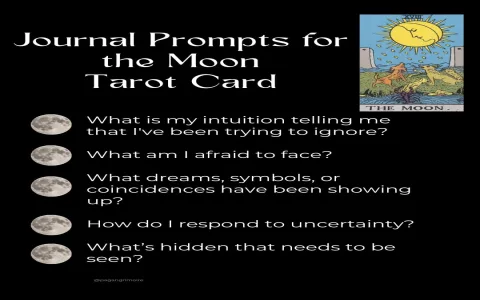
- And then, the real work: I journal about it. I write down what I think each card is telling me, how they connect, and what action, if any, I feel called to take. This is crucial for making it stick.
It’s not about the cards magically fixing everything. It’s about them giving you a mirror, a different lens to look through. It helps you untangle the mess in your head, see patterns you’re missing, and understand your own motivations better. It helps you recognize your own strengths and even your blind spots. It’s like having a really wise, non-judgmental friend who just helps you ask yourself the right questions. So yeah, if life’s got you feeling knocked down, maybe a deck of cards is exactly what you need to pick yourself back up.