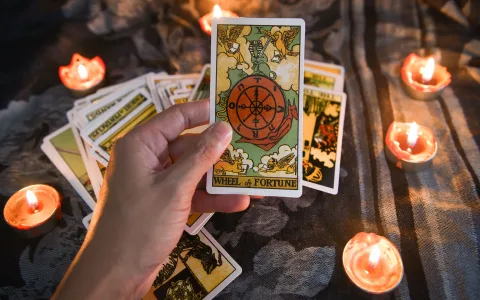


You know, for the longest time, I thought tarot was just about memorizing some fancy little book meanings. Pick a card, read the description, done. That’s what everyone told me, and that’s how I started, faithfully flipping through those little booklets that came with the decks. I’d pull a card, read the blurb, and then try to fit it into whatever question I had. Most of the time, it felt… flat. Like eating cardboard. It just didn’t click. I knew there had to be more to it, like a secret handshake I wasn’t getting.
First Steps: Beyond the Book
It all started feeling different after a particularly rough patch in my life. Everything just went sideways, and those simple ‘good luck’ or ‘bad news’ interpretations felt completely useless. I needed answers, or at least some kind of understanding that wasn’t so superficial. I remember looking at my Rider-Waite deck, sitting there on my desk, and just feeling this intense frustration. “There’s gotta be more to you,” I mumbled, half to myself, half to the cards. That was the turning point.
I decided to ditch the little book. Seriously, just threw it in a drawer. My new approach was simple, almost stupidly so:
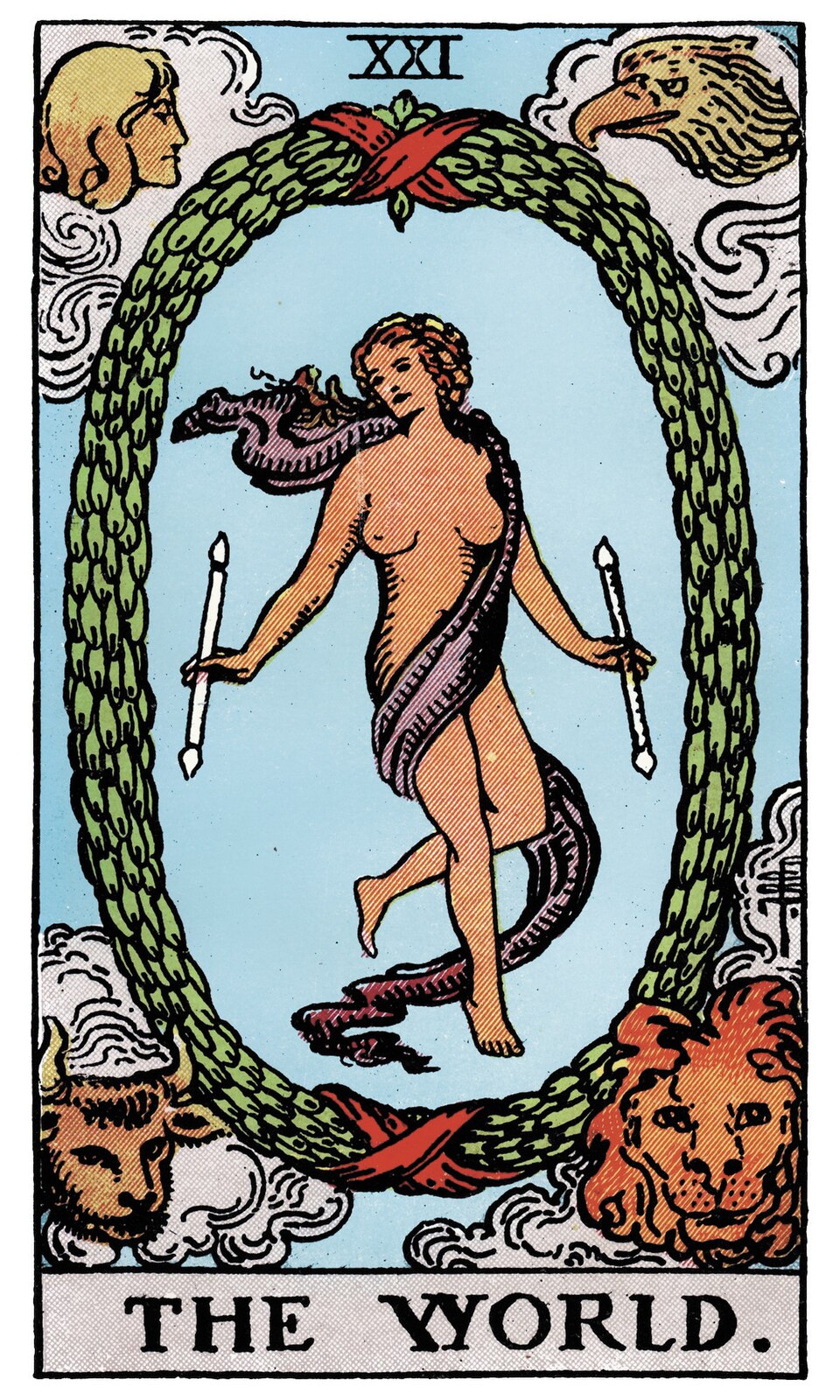
- I’d pull a card, one a day, no question in mind.
- Then, I’d just stare at it. I mean, really stare. Not thinking about the standard meaning, but looking at the colors, the people, their expressions, what they were doing, what was in the background.
- I started asking myself: “What does this image feel like? What story is it trying to tell me right now?”
- Then, I’d grab a journal and just write whatever came to mind, no filter. It was messy. Sometimes it was just nonsense, sometimes it was a single word, sometimes a whole rambling paragraph about my day but connected to the image somehow.
I kept this up for weeks, then months. It wasn’t about getting “right” answers anymore, it was about connecting with the pictures. The hidden meanings, I realized, weren’t hidden in the card itself in some secret text, they were hidden in me, and the card was just the key to unlock them.
The Deep Dive: Connecting the Dots
This daily practice slowly but surely started to change things. For example, the Nine of Swords. Every book says “anxiety, nightmares, despair.” And yeah, that dude sitting up in bed with his head in his hands? Totally screams that. But after weeks of just observing, I started seeing something else. Look at the swords on the wall. They’re hanging there, neat and orderly. The bedspread has roses. It’s a dark scene, sure, but it’s inside. The curtains are drawn. This isn’t external chaos; it’s self-imposed torment. For me, that card started yelling: “You are doing this to yourself! The external world isn’t attacking you; your mind is running wild inside your own head!” That was a huge, hidden meaning for me – the internal, self-inflicted nature of that despair.
Another one, the Tower. Explosions, people falling, destruction. Chaos, right? That’s what I always read. But as I kept journaling, I started seeing the foundations of that tower. It looked solid, built by human hands, but maybe on shaky ground or with wrong intentions from the start. What if the “destruction” wasn’t random, but necessary? What if it was shaking down something that needed to go, something that was actually holding me back? It started feeling like a violent, painful, but ultimately liberating event. The hidden message became: “Demolish the old to build the new, even if it hurts like hell.” It wasn’t just ‘bad luck’; it was a forced fresh start.
My big realization:
Every single card, all 21 of them that I really drilled down on during this period, started telling a personal story. Not the general story, but my story, reflected through that archetypal image. The hidden meanings were deeply personal interpretations that came from my own life experiences mingling with the symbols. It made the cards feel alive, not just paper and ink.
The Struggle and the Breakthrough
It wasn’t all smooth sailing, of course. There were days I’d pull a card, stare at it blankly for twenty minutes, and write nothing but a frustrated scribble in my journal. Doubt crept in. Was I just making things up? Was this just confirmation bias, seeing what I wanted to see? Sometimes, the traditional meanings would pop into my head, and I’d fight them, trying to find something “hidden” just for the sake of it.
- I learned to let go of the pressure to find a “hidden” meaning every single time. Sometimes, the obvious meaning was the hidden one because I was resisting it.
- I also started connecting the cards to real people I knew, to situations from history, to characters in books or movies. That helped broaden the scope of their symbolism beyond my immediate personal bubble.
The breakthrough came when I stopped trying to force it and just allowed the images to speak to me, without judgment. It became less about “what does this card mean?” and more about “what does this card feel like right now, and how does that resonate with my life?” It was like learning a new language, where the words weren’t defined in a dictionary, but by the context of my own existence. The hidden meanings weren’t something to be found in a secret book, but in the quiet, reflective space between my own experiences and the universal symbols presented on those little pieces of cardboard.