
Man, so I never really thought much about Tarot stuff, you know? It always felt like some kinda hocus pocus, just for movie plots. But then, a few years back, I hit a really weird patch in life. Just felt stuck, spinning my wheels, not getting anywhere. A buddy of mine, he was way into all that spiritual jazz, suggested I pick up a deck. Said it wasn’t about predicting the future, just kinda giving you a different way to look at your own head. I was skeptical, big time, but also desperate, so I figured, why not? What’s the worst that could happen?
I went online, found some basic Rider-Waite deck, because everyone said that was the one to start with. When it arrived, man, opening that box, it was kinda underwhelming but also a little thrilling. Just a bunch of cards with these old-school pictures. I thumbed through them, and immediately felt like, “Okay, this is way more complicated than I thought.” Like, there are seventy-eight of these things! And each one has a whole scene going on.
Diving Headfirst into the Pictures
The little white book that came with the deck was like a tiny instruction manual. Super brief. It had a couple of sentences for each card, upright and reversed. I tried to just read through it, thinking I’d memorize them all, but my brain just kinda shut down. It was too much, too fast. So I ditched that strategy real quick.
What I ended up doing was just pulling one card a day for myself. Just one. And I wouldn’t even look up the meaning at first. I’d just sit with it for a few minutes, staring at the picture. I’d ask myself:
- What’s happening in this picture?
- Who are these people? What are they doing?
- What kinda feeling does this picture give me? Is it happy? Sad? Confused?
- What colors jump out?
I started keeping a messy little journal for this. Nothing fancy, just scribbling down my gut reactions. After I’d done that, then, and only then, I’d grab the tiny book and see what it said. And that’s where things started getting interesting. Sometimes my gut feeling was totally off base from the “classic” meaning, but a lot of times, there was a connection I just hadn’t seen yet.
Cracking the Code: Suits and Major Arcana
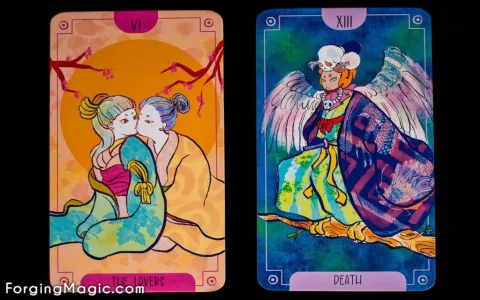
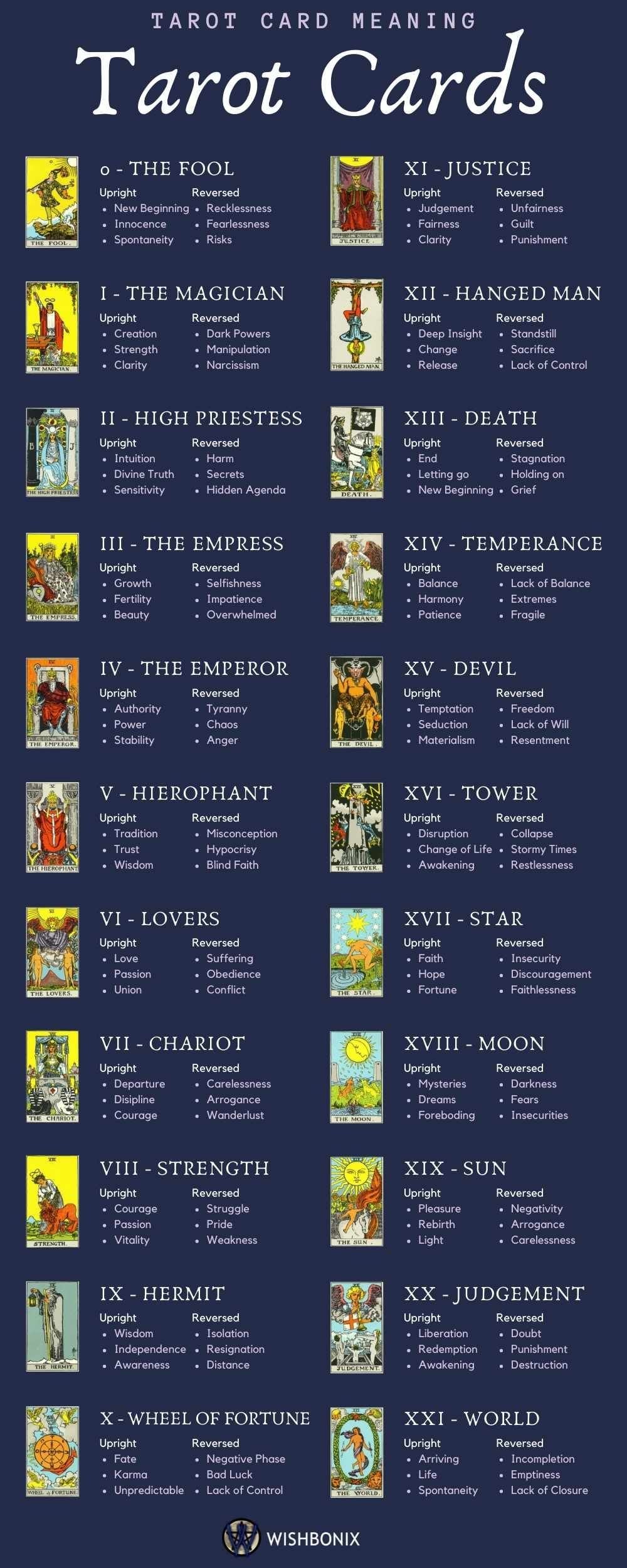
The biggest breakthroughs happened when I started seeing the patterns. The cards are split into two big groups, right? The Major Arcana and the Minor Arcana. The Majors, those were the really big, heavy hitters. Like, The Fool, that’s pure new beginnings, jumping off a cliff. The Magician, making stuff happen, getting your power on. The Lovers, big choices, relationships. The Tower? Bam! Everything falling apart, but usually for a good reason to rebuild. These cards felt like the major plot points in a life story, the big lessons you gotta learn.
Then came the Minor Arcana, which broke down into four suits. This is where the everyday stuff lived. And each suit had its own vibe:
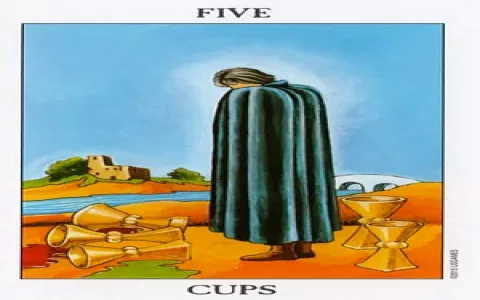
- Cups: These felt like all the mushy stuff. Emotions, feelings, relationships, creativity. When a Cup card showed up, it was usually about how I was feeling or how I was connecting with others. Like, the Two of Cups? Obvious connection, partnership. The Eight of Cups? Walking away from something emotional.
- Swords: These were the tricky ones. Always felt like my head was involved, thinking too much, conflicts, tough decisions. The Ten of Swords, man, that one always looked like total defeat, but then the classic meaning talked about reaching the end of a painful cycle, things can only get better. Bleak but hopeful.
- Pentacles: This suit was all about the real-world stuff. Money, work, your body, what you own, security. Practical matters. The Eight of Pentacles? Just grinding it out, perfecting a skill. Ace of Pentacles? A new opportunity for something tangible.
- Wands: Energy, passion, inspiration, getting things started, adventures. These cards always had a kinda spark to them. Like, the Three of Wands? Looking out, planning for the future, expanding your horizons. The Knight of Wands? Just charging ahead with an idea.
It wasn’t like one day I just understood it all. It was more like chipping away at it, piece by piece. Every time I pulled a card, looked at it, and then checked the “classic” meaning, another little puzzle piece would drop into place. It was like the cards were giving me a common language to talk about my own life, but with a different set of pictures and words than I usually used. They weren’t telling me what to do, but just showing me the different angles, the hidden currents in what I was already thinking or feeling. It’s pretty wild how a deck of old cards can do that.