
Man, let me tell you, life sometimes just hits you with a brick, right? I was in one of those spots a few months back. Everything felt stagnant. Like walking through treacle, every step was a struggle, and honestly, I just felt stuck. I’d been trying to push things, force solutions, but nothing moved. It was draining, plain and simple.
One evening, I just decided to pull a card. Not really looking for answers, more just a habit, a way to focus my thoughts a bit. I shuffled my deck, trying to clear my head, and laid out a simple three-card spread for ‘Situation, Challenge, Outcome.’ But before I even got to the third, the first card, the ‘Situation,’ slapped me right in the face. It was the Death Tarot card, upright.
My immediate reaction was pretty much what you’d expect. A cold jolt. “Death? Oh, great. That’s just what I need right now.” My mind instantly went to all the usual, surface-level fears: endings, loss, literal death, all that dramatic stuff. I stared at it for a good long minute, feeling a bit of dread creeping in. I just wanted to put it back and draw another one, pretend I didn’t see it. But something in me, that stubborn part, said, “No. You drew it. Look at it.”
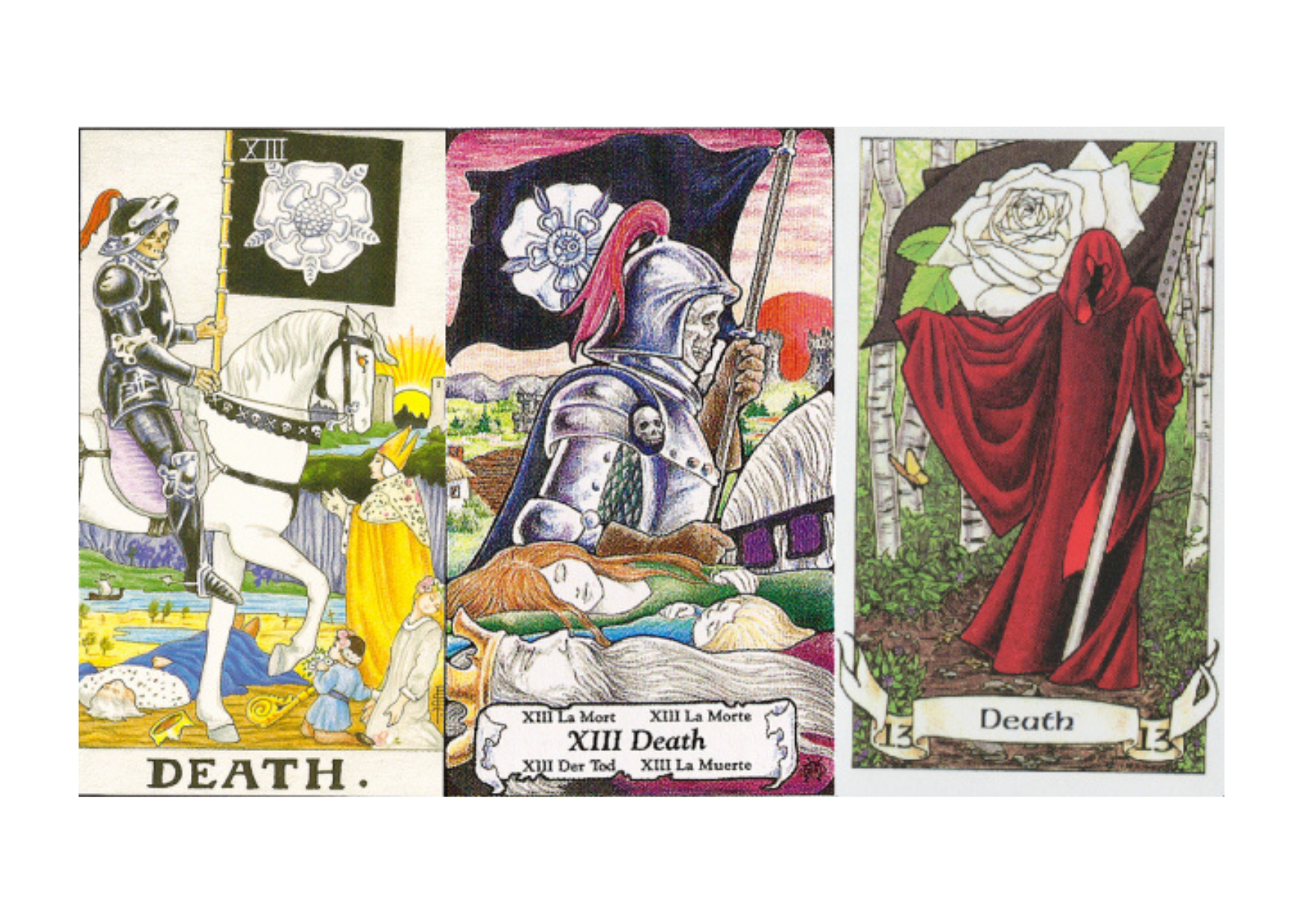
I pushed away the fear and grabbed my journal. I started scribbling down everything that came to mind about ‘Death.’ Not just the card, but the actual concept. I thought about:
- What does death mean to me?
- Where have I experienced ‘endings’ in my life?
- How did those endings feel?
- What followed those endings?
I kept writing, letting my hand just move without censorship. What struck me was how many times an ending, even a painful one, led to something new. Not always better right away, but always different. Always moving. This card wasn’t about a literal end for me, I realized. It was about something needing to finish so something else could begin. But what?
That’s where the real work started. I wasn’t just interpreting a card anymore; I was interpreting my own damn life. I went back over the last few months, meticulously, piece by piece. I looked at my projects, my relationships, my routines. I asked myself:
- What was I clinging onto that wasn’t serving me anymore?
- What felt like a dead weight, but I was too scared to let go of?
- What old ways of thinking or doing things had run their course?
I started seeing patterns. There was this big project at work, for instance, something I’d poured a ton of energy into. It was supposed to be the next big thing, but it just kept hitting roadblocks. I was trying to revive it, resuscitate it, despite clear signs it was a no-go. Every time I tried, it just sucked more energy out of me, leaving me frustrated and drained. The Death card, upright, was screaming at me: “Let it die!”
It wasn’t just that project either. I saw it in a few other areas too. A certain friendship that had become one-sided, a workout routine I hated but kept forcing myself to do, even a particular way I’d been approaching my creative work that felt stale. I was holding onto these things, sometimes out of habit, sometimes out of fear of the unknown, and sometimes just sheer stubbornness.
Embracing the Change
This “deep truth” wasn’t about some grand, existential doom. It was about seeing clearly that I needed to make space. I had to prune back the dead branches so new growth could happen. This wasn’t about destroying things; it was about transformation. It was about realizing that sometimes, the most powerful act is to acknowledge that something has run its course and let it go gracefully, or even forcefully if it wouldn’t go quietly.
So, what did I do? I started small. I finally sat down with my boss and laid out the facts about that struggling work project. We decided to pivot, to put it on hold, and reallocate resources elsewhere. The relief was immediate, like a huge weight lifted. Then, I had that difficult conversation with my friend, being honest about how I felt. It was tough, but necessary. And that workout routine? I just stopped. Replaced it with something I actually enjoyed.
The biggest shift, though, was in my mindset. I stopped fighting the idea of endings. I started seeing them not as failures, but as essential parts of a cycle. The Death card wasn’t a warning of doom; it was a powerful signal for deep, necessary change. It was telling me to stop clinging to what was gone or wasn’t working, and instead, to trust the process of renewal. It was a wake-up call to actively participate in my own transformation, not just wait for things to happen to me.
That upright Death card, man, it wasn’t just a symbol. It was a mirror, showing me exactly where I needed to cut ties and start fresh. It was hard, letting go of things and ideas I’d invested in, but the space it created, the energy it freed up, was monumental. It opened the door for things I didn’t even know I was missing.