
Man, lemme tell you, figuring out this whole tarot deck thing, especially what’s what with the Major and Minor Arcana, it wasn’t an overnight lightbulb moment. Nope. It was more like stumbling around in a dimly lit room, trying to find the switch, and then finally hitting it after a bunch of bruised shins. I mean, when I first got my hands on a deck, I was just completely overwhelmed. There were so many cards, all these crazy pictures, and people talking about “Major Arcana” and “Minor Arcana” like it was obvious. To me, it was just a pile of beautifully illustrated cardboard.
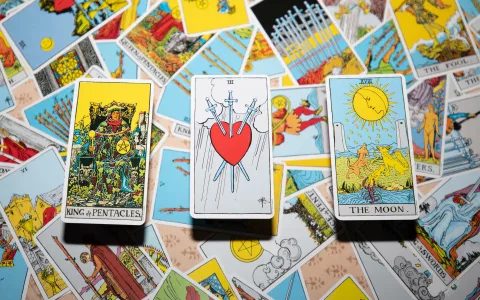
My first move? I just started looking at the pictures. Sounds dumb, right? But I literally just shuffled the deck, picked a card, and stared at it. Didn’t even try to read anything. Just absorbed the vibe. The ones that really jumped out at me, that felt big and important, I started setting them aside. Things like The Fool, The Magician, Death, The Tower… they just felt heavier, ya know? Like they were screaming “I’m a big deal!” That was my super basic, totally unscientific way of starting to separate them. I didn’t even know they were the Major Arcana at that point, just that they felt different.
Then I tried to actually learn them. I grabbed some notes from a friend, just bullet points on meanings, and it was like trying to swallow a dictionary whole. So many words, so many interpretations. My brain just kept short-circuiting. I’d try to do a reading, pull a card like the Three of Swords, and my mind would just go blank after seeing “heartbreak.” It felt so superficial, so disconnected from what I was seeing in the image. I knew there had to be more to it.
That’s when I really started to dig in. I stopped trying to memorize and started to feel. I pulled out all the Major Arcana first, just those 22 cards. I spread them out on my table, looking at the entire journey they represented. From The Fool’s innocent leap to The World’s completion. I noticed they were numbered, and that helped. It felt like a story, a path. I started thinking about them as the big life lessons, the massive shifts, the universal experiences we all go through. Like, seriously big stuff – new beginnings, challenges, big decisions, profound changes.
I would pick one Major Arcana card each morning for a week. Not to read my future, but just to sit with it. For example, if I picked The Hanged Man, I wouldn’t rush to its “meaning.” Instead, I’d just let it sit there. What did I see? A guy hanging upside down. What did that feel like? Suspension? A new perspective? Being stuck? I’d write down whatever popped into my head, no judgment. After a week of this with The Hanged Man, I started to connect those feelings to real life. Times I felt stuck, times I had to pause and look at things differently. That felt real. That started to click.
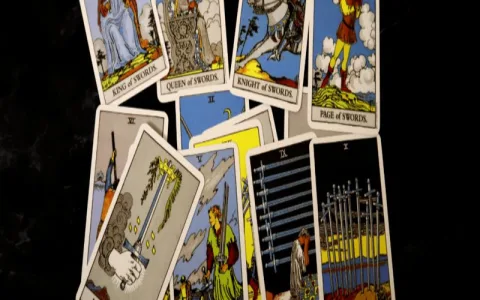
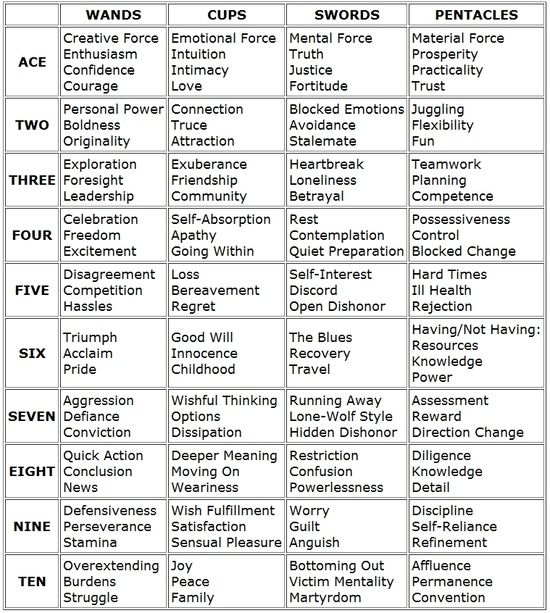
Once I felt like I had a grip on the Major Arcana – not mastery, never mastery, just a grip – I moved onto the Minors. And man, those 56 cards? Totally different beast. My first thought was, “Now what?” But then I remembered a simple little trick. They’re broken into suits, right? Swords, Wands, Cups, Pentacles. And each suit had its own vibe. I started looking at them like this:
- Wands: Fire, action, passion, creativity, getting things done.
- Cups: Water, emotions, relationships, feelings, the inner world.
- Swords: Air, thoughts, intellect, communication, challenges, truth.
- Pentacles: Earth, material stuff, money, work, physical reality, security.
That made a huge difference. Suddenly, a card like the Two of Wands wasn’t just “planning,” it was “planning for action, making a choice about what to do next.” And the Two of Cups wasn’t just “love,” it was “emotional connection, a bond forming.” It started to make sense how they played out in daily life. The Minors felt like the day-to-day happenings, the smaller events, the practical stuff that makes up our lives. The Majors are the grand story arcs, the Minors are the chapters, the scenes, the daily dialogues.
My process for the Minor Arcana became a bit more practical. I’d still pull one a day, but I’d also try to match it to something happening in my actual, mundane life. Did I have a disagreement today? Maybe the Five of Swords was reflecting that. Did I feel super creative and energized about a project? The Ace of Wands could be shouting at me. I kept a little journal, just scribbling down the card, what I thought it meant, and then what actually happened that day that felt related. Sometimes it was spot on, sometimes not, but the act of trying to connect them solidified the meanings in my head.
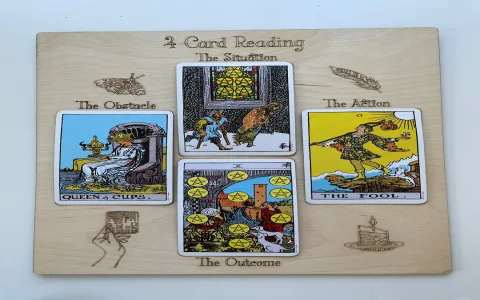
When I do a reading now, I don’t freak out. I lay out the cards and immediately look at the spread for a mix of Major and Minor. If there are a lot of Majors, I know it’s a big-picture situation, something weighty, maybe a significant life crossroad. If it’s mostly Minors, I know it’s more about the smaller details, the current emotions, the practical steps, the day-to-day flow. They tell different parts of the same story. The Majors set the stage, the Minors play out the scenes within that stage. It’s like the universe is giving me both the grand overview and the current footnotes all at once.
It’s still a journey, always is. Every time I pick up my deck, I learn something new, see something different. But understanding that basic distinction between Major and Minor, and then really spending time with each one, letting them speak for themselves rather than forcing myself to memorize, that’s what finally made my tarot deck feel like a conversation, not a cryptic puzzle. It’s about unraveling your understanding of them, letting them show you what they mean, not just reading someone else’s definition.