
Man, I remember when I first started poking around with Tarot. It wasn’t because I was some mystical guru type; honestly, it was more out of sheer boredom and a bit of curiosity during one of those long stretches where you just need something different to think about. I’d seen those glossy books from Llewellyn on shelves, you know, the ones with all the detailed spreads and meanings, but I wasn’t about to drop cash on a deck or a big fat guide just to see if it was my thing. So, I figured, there had to be a way to get a taste of it online, for free, without all the fuss.
I started digging around. My initial search was pretty basic, just typing in stuff like “free online tarot reading.” And let me tell you, that was a rabbit hole full of quick one-card draws and super vague interpretations. I mean, “You will have a good day”? Thanks, Captain Obvious. That wasn’t what I was after. I wanted something with a bit more meat, something that felt like a real reading, structured, like what those Llewellyn books hinted at with their detailed spreads and multi-card layouts. I wasn’t just after a fortune cookie; I was after some real introspection.
The problem was, most of the “free” stuff online felt like a bait-and-switch. You’d get one card for free, then BAM! “Upgrade to premium for a full Celtic Cross spread!” or “Sign up for our monthly subscription to unlock deeper insights!” Nah, not my style. I was on a mission for genuinely free, comprehensive stuff. It became a bit of a personal challenge, honestly. I wanted to see if I could cobble together a decent “Llewellyn-style” reading without spending a dime.
My approach shifted. Instead of looking for sites that offered a full reading, I started thinking about how I could build one myself using free components. This meant splitting the process into parts. First, I needed a way to draw cards randomly, digitally, that felt legitimate. Then, I needed to understand the spreads, and finally, I needed solid, free interpretations for each card.
Finding My Way to a “Llewellyn Style” Experience
-
Getting the Card Draw Done:
I hunted for sites that simply let you virtually draw cards from a full deck. Not just one, but a selection. I looked for platforms that offered different spread layouts, like the classic three-card past-present-future, or even a basic five-card cross. The key was to find one that didn’t hold the spread itself hostage. A lot of them were pretty basic, just click and a card appears, which was perfect. No fancy bells or whistles, just the raw card face. Some even had a few popular spreads built-in that you could select.
-
Understanding the Spreads:
This was where the “Llewellyn style” really came into play for me. I started searching specifically for “Tarot spread layouts” and “Celtic Cross meanings” or ” रिलेशनशिप स्प्रेड ” or whatever felt relevant. I looked for clear diagrams showing where each card went and what position it represented. For example, for a Celtic Cross, you need to know what the first card means (the current situation), what the second card means (the challenge), and so on, all the way to the outcome. I didn’t need a site to do the spread for me; I just needed the blueprint. This knowledge, I realized, was out there for free, in article after article breaking down the classic layouts.
-
Cracking the Card Interpretations:
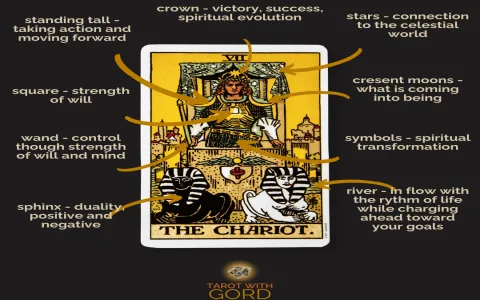
Once I had the drawn cards and understood their positions in the chosen spread, the final step was interpretation. This was probably the most satisfying part of the hunt. I’d open up a new tab and search for the specific card – like “Ten of Swords meaning” or “The Empress upright interpretation.” And for each card, I didn’t just look at one source. I’d read through a few different sites, compare what they said, and look for common themes and keywords. This helped me build a fuller picture, much like how those big Llewellyn books give you multiple layers of understanding for each card, rather than just a one-liner. Some sites offered really robust descriptions, not just vague generalized terms, but actual advice and questions to ponder. I focused on those.
So, the whole process became a bit of an assembly line. I’d go to one simple, free site to draw my cards for a chosen spread. Then, I’d bring up a couple of other tabs with articles detailing that specific spread’s positions. Finally, for each card in my spread, I’d hit up search again to get multiple interpretations. I’d jot down notes by hand, listing the card, its position, and a few key takeaways from the interpretations. It was a bit more work than just clicking a “get my reading” button, but it was totally free, and more importantly, it felt much more personal and insightful. It was active learning, not just passive receiving.
What I realized through all this was that “Llewellyn style” wasn’t just about the fancy decks or the thick books. It was about diving deep, understanding the structure, and pulling together a rich tapestry of meaning. And you know what? With a bit of patience and smart searching, I managed to get pretty darn close to that experience, all without spending a single dollar. It taught me that sometimes, the best “premium” experience is one you piece together yourself with free tools and a bit of determination.