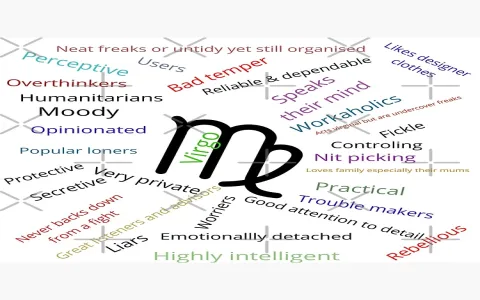


Alright, so I was seeing this person a while back, right? We hit it off pretty quick. Everything felt easygoing at first, you know, good laughs, good times, all that jazz. We started spending a lot of time together, and that’s when you really start to peel back the layers on someone.
The initial phase, it was all charm and connection. I was pretty smitten, to be honest. But then, after a couple of months, these little things started to crop up. Nothing major, just whispers at first. Like, we’d be out for dinner, and she’d make a comment about the tablecloth not being perfectly straight, or the waiter forgetting a specific detail in the order, even if it was super minor. I’d just shrug it off, thinking, “Eh, everyone has their quirks.”
Noticing the Details, the Constant Critiques
But those whispers, they started getting louder. It wasn’t just about restaurant stuff. It started bleeding into everyday life. I’d cook dinner, and she’d point out if I’d left a tiny bit of counter space messy, or if the salt shaker wasn’t exactly back in its spot. I remember one time, I’d picked out a shirt for an event, and she just flat-out said, “Are you really going to wear that? It’s a bit wrinkly, isn’t it?” It felt like I was constantly under a microscope.

It wasn’t just me either. She’d talk about her friends, her family, even people on TV, and there was always this undercurrent of critique. Everything had to be just right, perfect even. If something wasn’t, she’d notice it. And not just notice it quietly, but she’d voice it. It started to feel like she was always looking for flaws, always pointing out how things could be better, even when they were already pretty darn good.
The Worry and the Need for Control
Then there was the worrying. Man, she could worry for an Olympic team. We’d plan a simple weekend trip, and she’d run through every single possible thing that could go wrong. Did I double-check the car tires? What if the weather changes suddenly? Did we pack enough snacks for every conceivable scenario? It was exhausting. My laid-back, “we’ll figure it out” attitude just clashed with her need to plan every single second and foresee every potential hiccup.
And that planning led straight to a strong need for control. If things didn’t go precisely according to her mental blueprint, it threw her off. Big time. It wasn’t about being flexible; it was about sticking to the script. I’d suggest a spontaneous detour, just for fun, and you could practically see her internal clock start glitching. She’d get tense, stressed out, and sometimes even a little snippy, just because the plan shifted a tiny bit.
Feeling the Emotional Walls
Another thing I really felt was this emotional wall. She was great at being practical, at solving problems logically, at getting things done. But when it came to feelings, both hers and mine, it felt like she just didn’t want to go there. If I was upset or frustrated about something, she’d try to fix it with logic, or she’d dismiss it as “overreacting.” It felt like she was uncomfortable with messiness, and emotions, well, they can be pretty messy.
I remember trying to have a deep conversation about how I was feeling about something, and she just kind of shut down. Not in an angry way, but almost like she was processing it academically. No real warmth, no reassurance, just a logical breakdown of what I should do. It left me feeling a bit cold, honestly, like I was talking to a really smart robot sometimes.
Putting the Pieces Together
Eventually, all these little observations started to form a clear picture. The constant nitpicking, the obsession with perfection, the relentless worrying, the rigid adherence to plans, and that emotional distance. It wasn’t just a random collection of traits; there was a pattern. I wasn’t familiar with zodiac signs much at the time, but later on, after we’d split and I was doing some reading, everything I learned about certain signs just clicked into place.
It was like a lightbulb went off, and I thought, “Ah, so that’s what they’re talking about!” All those experiences, the frustrations, the misunderstandings—they suddenly made sense in a different context. It helped me realize it wasn’t necessarily personal directed at me; it was just how some people are wired, how they process the world and interact with it.
What I Took Away From It All
So, what I really learned from that whole experience? It opened my eyes to how different people can really be, and how what one person sees as “doing things right,” another might see as being overly critical or inflexible. It taught me to look for patterns in behavior, rather than just reacting to individual instances.
I realized I needed to communicate better, to voice my own needs for spontaneity or emotional connection more clearly. And sometimes, you just gotta accept that people are different. You might not change them, but you can certainly change how you respond to them. It helped me understand that sometimes, those “negative” traits aren’t coming from a place of malice, but from a deeply ingrained way of being. They just want things orderly, precise, and worry-free. It’s their way of trying to make sense of the world, even if it drives others a bit crazy sometimes.