
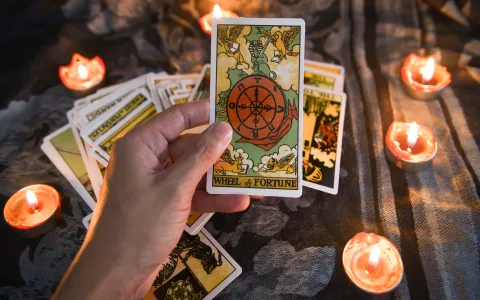
Man, I remember being completely stuck. Like, really, really stuck. It wasn’t just a small problem; it felt like my brain was just spinning its wheels, unable to pick a lane. This was about a year and a half back, when I was trying to figure out if I should totally switch up my career path, something I’d been doing for almost ten years. Every morning, I’d wake up, think about it, talk to my partner, talk to friends, and just end up more confused than before. It was a real headache, you know?
I was getting nowhere fast, just feeling this heavy cloud of indecision hanging over me. Then, one evening, I was just scrolling through some random stuff online, and I kept seeing these posts about tarot. Now, full disclosure, I always thought that stuff was a bit… well, not for me. Too woo-woo, too out there. I’m a pretty down-to-earth kind of guy, mostly. But honestly, I was desperate. I was so tired of feeling paralyzed, so I figured, what’s the harm in just looking into it? I mean, at that point, I’d tried everything else short of flipping a coin for a major life decision.
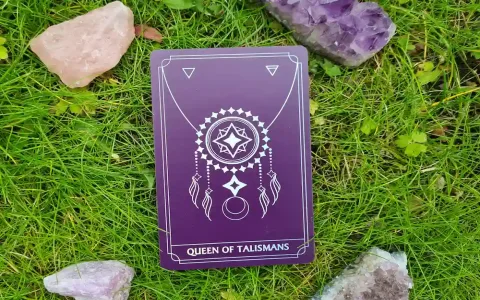
I stumbled onto this idea of “Clarity Tarot.” It wasn’t some special deck or anything fancy, just the notion of using the cards specifically to cut through the fog and get some clear thinking. Not for fortune-telling, but for insight. That appealed to me way more. So, I went online and just grabbed a cheap Rider-Waite deck. Didn’t want to spend too much in case it was all just a load of rubbish, which, deep down, I still half-expected it to be. When it arrived, I just held the box, feeling a bit silly, to be honest. It sat on my desk for a good week before I even opened it.
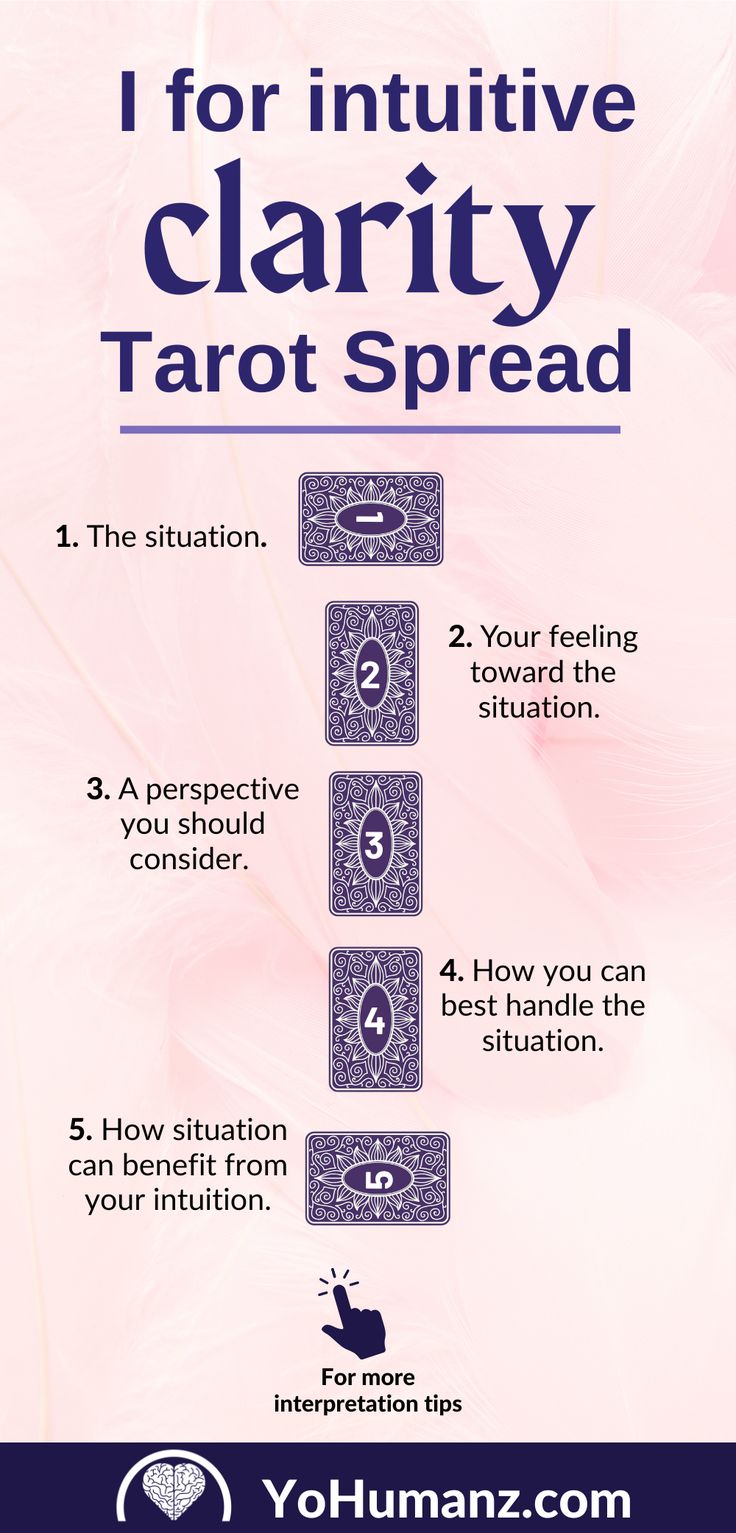
My First Fumbling Steps Towards Clarity
Finally, I cracked it open. The cards felt a bit stiff, new, you know? I didn’t have a clue what I was doing. The little booklet that came with it made no sense to me at all. All these symbols, all these meanings… it was just overload. My first few attempts were, let’s just say, not great. I’d try to do a spread, stare at the cards, and feel even more confused. It was like trying to read a language I didn’t know.
But I had invested in this, both time and a tiny bit of money, so I wasn’t just going to give up. I decided to strip everything back and make it as simple as possible. No fancy spreads, no trying to memorize every single meaning. I just wanted one thing: clarity on this career mess.
-
Step 1: Setting the Stage (and My Brain)
First thing I started doing was find a quiet time. Usually after everyone else was asleep, late at night. I’d sit at my kitchen table, clear off all the junk. No distractions. I’d just close my eyes for a minute and focus on that one big question: “What do I need to see about this career decision?” I tried to feel the confusion, the frustration, and just let it all sit with the question.
-
Step 2: Getting the Question into the Deck
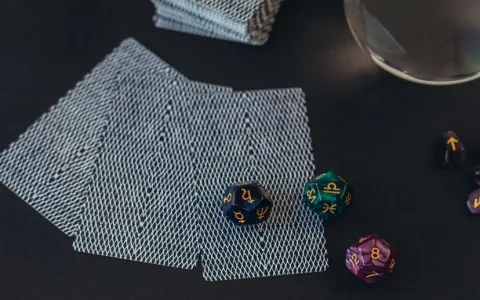
Then, I’d pick up the deck. I didn’t shuffle them like some magician. I just did a really slow, deliberate shuffle, pushing the cards around in my hands, cutting them a few times. The whole time, I was just repeating that question in my head, really trying to put that intention into the cards. It felt a bit goofy, but I figured, why not? It was about setting my own mind, more than anything else.
-
Step 3: Pulling Just Three Cards
I decided to go super basic: a three-card spread. Not for past, present, future, but for something even simpler. I just called them: “What’s holding me back?”, “What’s the core issue right now?”, and “What’s the path forward?” I’d spread the deck out face down, close my eyes again, and just let my hand hover until one card felt right for the first question, then the second, then the third. I didn’t think too hard about it; just went with my gut feeling.
-
Step 4: Looking, Feeling, and Then Reading
This was the real game-changer for me. Instead of immediately flipping them over and trying to find the meaning in the book, I’d turn them one by one and just look at the image. Really look. What was the first feeling that came up? Was it a person looking lost? Was it someone fighting? Was it a peaceful scene? What colors stood out? I’d take a mental note of that raw, gut reaction. Only after I did that for all three cards, then I’d flip through the little book, or sometimes just do a super quick search for the card’s general meaning. But here’s the key: I’d always filter that ‘official’ meaning through my initial feeling. How did that standard meaning connect to what I felt from the picture? How did it resonate with my specific problem?
The Unexpected Insight
The first few times I did this, it was still a bit fuzzy. But then, one night, it just clicked. I pulled the cards, and for the “What’s holding me back?” position, I got the Seven of Swords. Now, without even looking it up, the picture is this guy sneaking away with five swords, two stuck in the ground. My immediate feeling was “he’s trying to get away with something, but not quite succeeding, or he’s leaving something important behind.”
When I looked up the standard meaning, it was about deceit, trickery, or trying to avoid conflict. And it just hit me like a ton of bricks. I wasn’t being honest with myself. I was trying to “sneak away” from the hard work of retraining or starting something new, telling myself it was too risky, too late, too hard. But really, I was just scared of the effort and the unknown. I was tricking myself into staying put, avoiding the real fight.
The other cards in that spread just reinforced it, showing me that the “core issue” was actually my own fear, not the external factors I kept blaming. The “path forward” was about embracing a new beginning, even if it meant a temporary fall. It wasn’t about the cards telling me “do this” or “do that,” but about them reflecting my own thoughts back to me in a way I hadn’t seen before.
That night, I didn’t get a definitive answer like “quit your job tomorrow.” What I got was a clear, undeniable understanding of why I was stuck. It wasn’t the market, or my skills, or my age. It was me, and my own hang-ups. That realization, that moment of genuine clarity, was worth all the initial awkwardness and skepticism. It gave me the kick in the pants I needed to actually start making a plan, instead of just sitting there spinning my wheels. It really is just a tool, but sometimes, a tool for looking inward is exactly what you need.