


Core Virgo Kid Traits
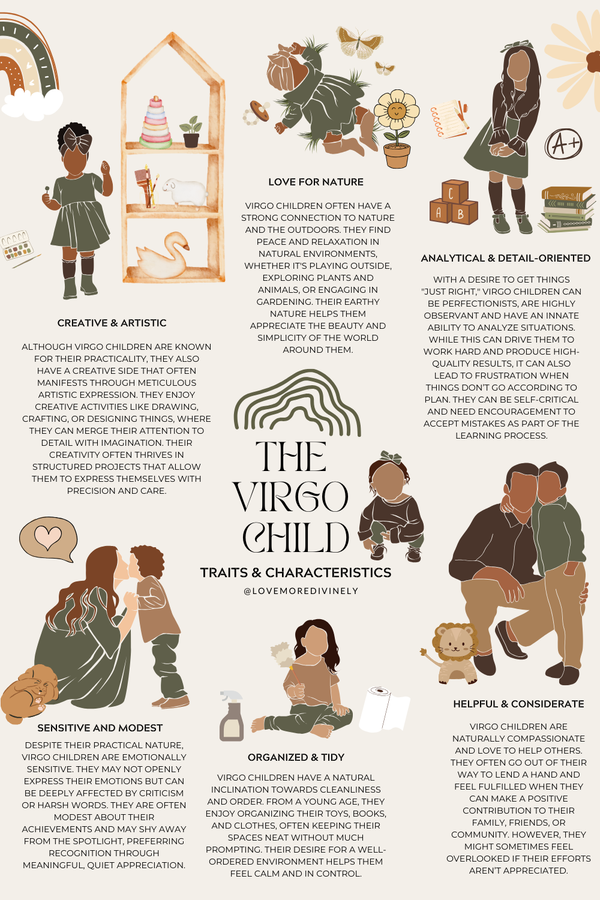
Virgo children are typically characterized by their meticulous nature, strong sense of duty, and innate intellectual curiosity. They are Earth signs, making them grounded, practical, and often reserved. Key traits include:
- Detail-Oriented: They notice things others miss. This can manifest as excellent organizational skills or, conversely, excessive fussiness.
- Analytical and Logical: They approach problems systematically. They need to understand the ‘why’ behind rules and instructions.
- Service-Oriented: They find satisfaction in helping others and can be natural caregivers, even at a young age.
- Perfectionistic Tendencies: This is a double-edged sword. While it drives high standards, it can lead to anxiety and harsh self-criticism if they fail to meet those standards.
- Sensitive to Criticism: Despite their outwardly cool demeanor, they internalize negative feedback deeply.
Easy Tips for Better Connection
Connecting with a Virgo child requires patience, respect for their need for order, and validation of their efforts, not just their results.
1. Embrace Structure and Routine
Virgos thrive in predictable environments. Establish clear daily routines for homework, chores, and bedtime. When change is necessary, prepare them in advance and explain the logic behind the shift. A cluttered or chaotic environment can cause them significant stress.
2. Validate Effort Over Perfection
Instead of only praising them for a perfect score, focus on the hard work and dedication they applied to the task. Use phrases like, “I saw how carefully you prepared for that test,” rather than just, “You got an A.” This helps reduce performance anxiety.
3. Communicate Precisely and Honestly
Avoid vague instructions or emotional manipulation. Virgo kids respect direct, rational communication. If you need them to do a chore, explain the specific steps (“First, wipe the table, then put the dishes in the washer”) rather than just saying, “Clean up this mess.”
4. Encourage Healthy Organization
Give them control over organizing their own space (desk, closet). Provide tools like labels, bins, and checklists. This satisfies their natural inclination toward order and gives them a sense of competence. Be careful not to micromanage their system, even if it differs from yours.
5. Offer Constructive Feedback Gently
When correction is needed, sandwich the criticism between two positives. Focus on the behavior, not the inherent value of the child. For example: “I appreciate you finishing your project (Positive). Next time, double-check your sources (Correction). That’s excellent attention to detail (Positive).” Avoid public criticism entirely.