

Understanding the Zerner-Farber Tarot Deck
The Zerner-Farber Tarot, often known as the ‘Tarot of the Stars,’ is celebrated for its ethereal, watercolor artwork and gentle energy. Before effective use, beginners must recognize that while it adheres to the traditional 78-card structure (22 Major Arcana, 56 Minor Arcana), its visual language is uniquely whimsical and emotionally evocative. This deck encourages intuitive reading over strict adherence to RWS (Rider-Waite-Smith) symbolism.
Initial Connection and Cleansing
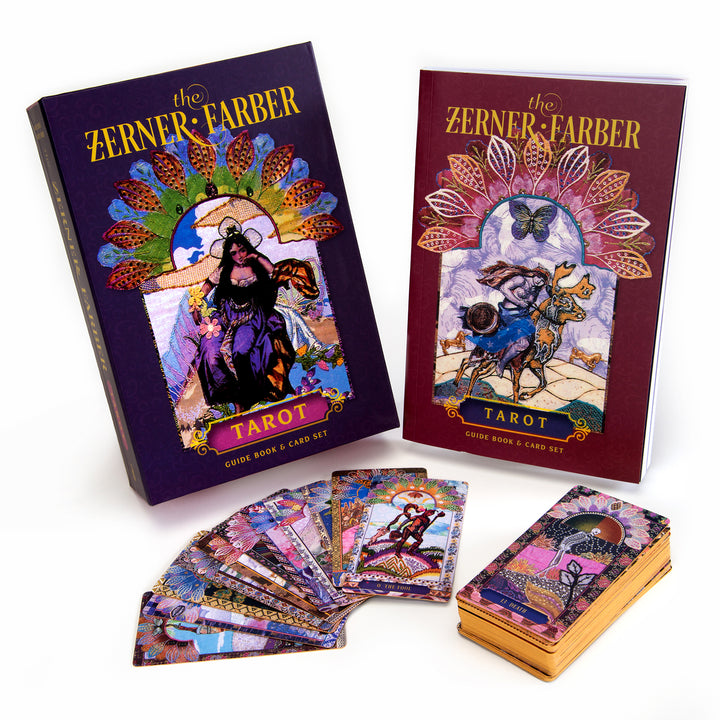
- Unboxing and Inspection: Spend time examining each card. Notice the subtle differences in the court cards and the emotional tenor of the pip cards.
- Cleansing: Clear residual energy by knocking sharply on the deck, placing it under moonlight (especially new or full moons), or using sage/palo santo smoke.
- Shuffling and Handling: As a beginner, practice various shuffling methods (overhand, riffle) until you find one that feels comfortable and ensures randomization. Handle the cards frequently to imbue them with your energy.
Mastering the Major Arcana First
Focus initial study exclusively on the 22 Major Arcana cards. These represent major life lessons, karmic influences, and spiritual pathways. The Zerner-Farber depictions often enhance the emotional impact of these archetypes (e.g., Death may look less fearsome, more transformative).
- Daily Draw: Draw one Major Arcana card each morning, meditate on its imagery, and journal how its theme might manifest in your day.
Simple Spreads for Beginners
Avoid complex 10-card spreads initially. Effective reading requires clear interpretation of individual cards within a focused context.
The Single Card Draw (Focus)
Ask a clear, focused question (e.g., “What energy surrounds me today?”). Draw one card for immediate, direct insight.
The Three-Card Spread (Context)
- Past, Present, Future: A foundational spread for understanding the trajectory of a situation.
- Situation, Action, Outcome: Focuses on problem-solving and actionable advice.
- Mind, Body, Spirit: Offers holistic guidance on overall well-being.
Reading Intuition and Imagery
The Zerner-Farber style excels at stimulating the reader’s intuition. Do not rely solely on memorized meanings.
- Keywords vs. Feeling: While traditional keywords are helpful (e.g., Justice = fairness), prioritize the feeling the card evokes. Does the card feel bright, restrictive, expansive, or confusing?
- Color Symbolism: Pay attention to the dominant colors. The deck’s watercolor palette is rich in soft blues (emotion), vibrant greens (growth), and sunny yellows (joy/intellect).
- Storytelling: When reading a spread, connect the cards into a coherent narrative. How does the first card lead to the second, and how do they inform the overall message?
Ethical Practice and Journaling
Establish a disciplined practice to enhance effectiveness.
- Tarot Journal: Record every reading, the spread used, your interpretation, and the eventual outcome. This is crucial for verifying your intuitive hits and learning the deck’s specific nuances.
- Setting Boundaries: Always read with compassion and empowerment. Frame potential negatives as warnings or opportunities for change, rather than fixed doom. Avoid predicting death or serious health crises.