

Man, reading your own spreads? The ones you just whipped up five minutes ago? Yeah, it sounds like total BS. For years, I told myself that. I was stuck on the classic spreads—you know, the Celtic Cross, the Horseshoe—the ones you see in all the books. But let me tell you, when your life is an actual dumpster fire, those textbook layouts just don’t cut the mustard. They are too wide, too general. I needed an answer for a very specific, weird problem, and the general “Future Influences” spot just wasn’t gonna tell me what I needed to know.
I wasted about six months trying to wedge my chaos into those neat little boxes. It felt like trying to fix a complex plumbing issue with a Band-Aid. Useless. That’s when I finally just tossed the books aside and said, “Screw it. I’m making my own.”
My First Few Times Were Pure Garbage
My initial attempts at a DIY spread? Total disaster. And I mean total. I’d draw maybe seven or eight cards and label the positions with these deep, spiritual-sounding concepts:
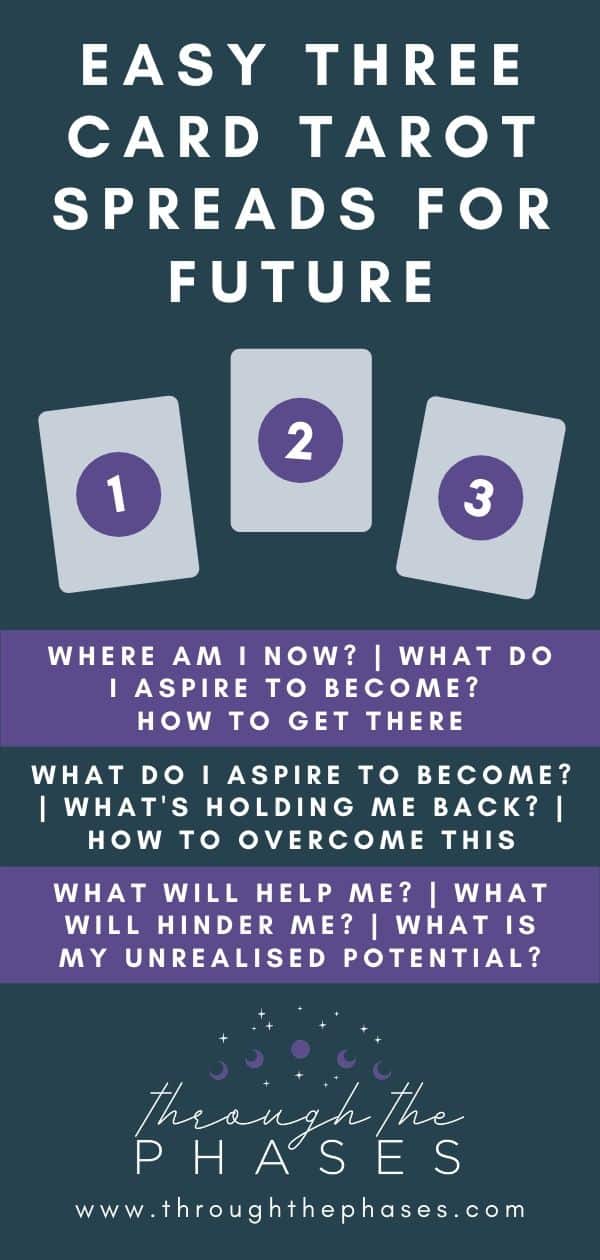
- The Root of the Unrest
- The Echo of the Past Life
- The Current Energetic Blockage
I thought being complex meant being profound. Wrong. I’d lay the cards out, and guess what? They’d be beautiful cards, but when I tried to put them together, my brain just went blank. I couldn’t figure out how “The Eight of Swords” related to “The Echo of the Past Life.” Was the block me? Was it my ancestors? Was I supposed to be meditating, or should I just call my mom?
The whole exercise devolved into me staring at the table, then staring at the ceiling, then arguing with myself. I’d cycle through hope, frustration, and then just plain self-doubt. You know that feeling when you think everyone else is getting the big secret, and you’re the only idiot who can’t connect the damn dots? That was me, every time. I actually took a break from tarot for nearly three months because I figured I was just too clumsy with my own intuition. I was convinced you needed a pro, or at least someone who wasn’t emotionally invested, to actually read anything worth a damn.
But like most things I quit out of annoyance, it gnawed at me. I kept seeing those failed spreads in my mind. I finally dragged the deck out again, not to read, but just to stare at the old spreads I’d failed with. I wanted to know why they sucked. This is when I figured out the whole game-changer.
The Real Problem Wasn’t The Cards, It Was My Stupid Positions
I realized my positions were too vague. They asked for a description, not an action. They were nouns, not verbs. They asked, “What is it?” when I needed to ask, “What do I do about it?” It was like asking a mechanic for an essay when you just need him to fix the carburetor. Once I started rewriting my positions, the cards just popped. It was crazy. Since then, I’ve refined it down to three key things. If you are struggling with your own spreads, just try these. You’ll actually read something useful for once.
Try These 3 Tips:
1. Keep It Single-Minded. One Card, One Job.
You need to stop asking a single card to do three things. If you have a question, make sure the card’s position is ruthless in its focus. I learned this the hard way when I asked a card about my job, my relationship, and my dog all in one spot (it was labeled “My Next Six Months”). Naturally, the “Two of Cups” came up. Is that my job offer? Is that my boyfriend? Is the dog getting a friend? Who the hell knows! Now, I write the position and then I ask: Can this card only answer one thing? If the answer is no, I split it up. The spread might get bigger, but the answer gets tighter.
2. Use Strong Verbs, Not Flowery Nouns.
Ditch the fancy terms like “Emotional Resonance” or “External Manifestation.” They’re boring and they don’t help you do anything. Your spread positions need to demand an action. They need to use strong verbs. Instead of:
- The Condition of My Finances
I started using:
- What do I need to SELL right now?
- How to actually FIX the spending problem?
- What is BLOCKED from making money?
You use a verb, and the card suddenly gives you an action plan. It tells you to stop arguing, or to start walking, or to actually sign the damn paper. Total game changer.
3. Always Include an “Anchor Card” for Context.
This is the secret sauce. You can’t just have a list of actions; you need one card that explains the big picture so your little actions make sense. This is a single card I place at the very top or bottom, and it’s labeled something simple like: The Theme, The Root Cause, or The Outcome If I Do Nothing. That card frames the whole damn thing. Once you know the central problem (The Hermit: you’re too isolated), the rest of your action cards suddenly snap into context. Without an Anchor, your spread is just floating in the ether, disconnected. You need to nail it to the table with a good, solid theme.
I used this exact method a few months back when I was struggling with a huge commitment—should I sign up for night school and completely change careers, or should I stay in my dead-end job for the steady paycheck? I did a quick six-card DIY spread using my new verb-focused rules and that Anchor card about “The Outcome If I Do Nothing.” The cards didn’t scream, “Quit now!” but they showed me the consequences of inaction so clearly, I physically felt the dread lift. It wasn’t about knowing the future; it was about seeing the situation without all the ego and wishful thinking attached. That’s when I realized, yeah, you can totally read your own spreads. You just have to learn to talk to yourself without all the BS.
It’s not perfect every time, nothing ever is, but now I know the difference between a spread that actually works and a bunch of pretty cards laid out on my carpet.