
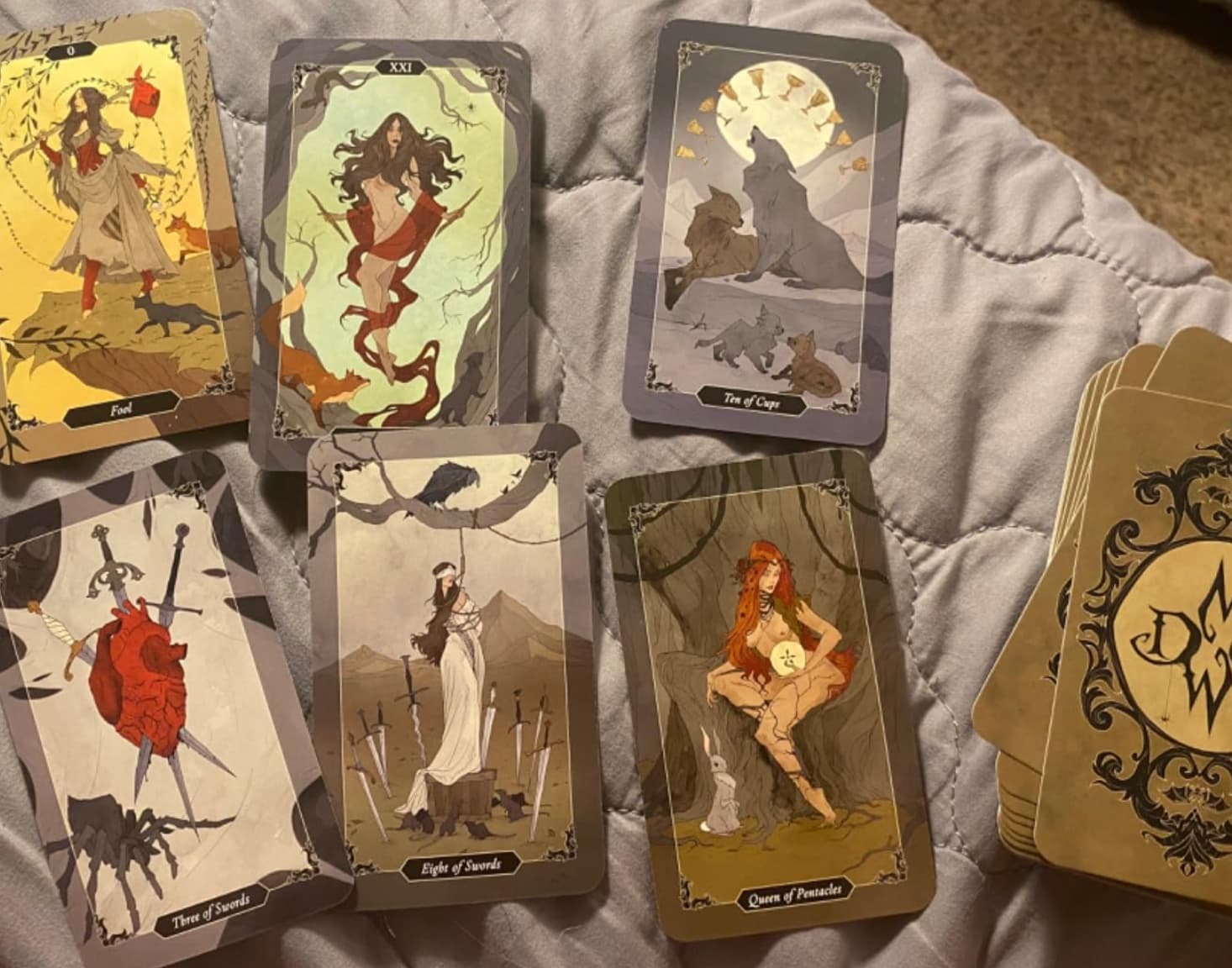
The Dark Wood Tarot. Everyone who sees the art loves it, right? All that deep, shadowy, unsettling imagery. You buy it thinking, “Wow, finally a deck that deals with the real, messy stuff.”
I dragged that deck home, unwrapped it, and immediately tried to read with it the way I had for years. I grabbed my trusty three-card spread: Past, Present, Future. I pulled the cards. I looked up the standard Rider-Waite-Smith meanings in my head, maybe glanced at the tiny little guidebook that came with it. The result? A confusing pile of beautiful, but utterly useless, crap.
I struggled for a good three weeks. I flipped it around, tried five-card spreads, did daily pulls. Every single time, the reading felt cold, distant, and honestly, a little mean. It wasn’t giving me guidance; it was just staring at me, judging. I realized the problem wasn’t the deck. The problem was me and the soft, fluffy methods I had developed over a decade of reading decks that wanted to make me feel better.
This deck doesn’t want to make you feel better. It wants to make you act.
So, I threw out the rule book. Literally. I took that little white booklet and tossed it in the recycling. I decided I had to learn how this thing actually spoke, not how some author thought it should speak. Here’s what I locked down—the stuff that finally made the deck sing, or maybe, snarl, which is better for this one.
The Method I Had to Build
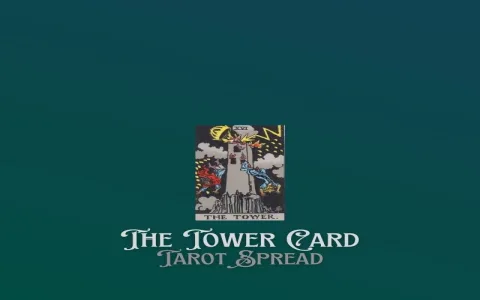
- Stop Memorizing: I forced myself to ignore the names. When I pulled the Tower, I didn’t think “sudden change/destruction.” I looked at the art—the splintered wood, the cold moonlight, the terrified silhouette—and I asked myself, “What specific thing am I clinging to right now that is about to fall apart?” I made the image do the work, not the name.
- Always Read the Shadow Side First: For every card, I started the interpretation with the worst possible scenario. I didn’t look for the potential for ‘growth’; I sought the source of the rot. Once I accepted the rot, the ‘growth’ path became obvious, like a clearing after a huge storm. I made myself sit with the ugliness.
- The Three-Part Action Spread: I dumped Past-Present-Future. It’s too passive. I designed a spread that demanded movement: The Truth (What is the real problem?), The Lie (What comforting delusion are you holding onto?), The Axe (What specific action must you take to break the lie?). I started using this spread exclusively with the Dark Wood.
- Don’t Shuffle for Too Long: This one is weird, but I noticed it. If I shuffled for five minutes, I got gentle, often irrelevant, cards. If I shuffled five or six quick cuts and pulled immediately, I got the message I was actively avoiding. I found this deck respects urgency.
I perfected these steps during the absolute worst financial mess of my adult life. Why did I need a brutal deck? Because I was surrounded by people giving me soft-shoe answers, and frankly, some were lying right to my face.
I was running a side gig with someone I’d known since college. Things went south. Quickly. I got blindsided when he tried to pull the rug out from under the whole operation, leaving me holding a massive, smelly bag of debt. Every time I spoke to him, he sounded apologetic, full of excuses, and utterly trustworthy. My brain wanted to believe him—it was easier than admitting I had trusted a snake for fifteen years.
I pulled the Dark Wood almost every single night. If I used my old reading methods, I got the “Hang in there, there’s a new opportunity coming!” garbage. But when I applied the Shadow Side Rule and used “The Axe” spread, the cards screamed the truth. I pulled The Moon and The Devil, not as vague concepts, but as “He is actively deceiving you in the dark” and “This is a contract trapping you through your own greed.”
The final “Axe” card was almost always some blunt instrument like the Eight of Swords—not the RWS version of being bound, but a shadow figure holding the key right in front of its face, refusing to see it. I understood what I had to do. I had to stop waiting for his apology and take the immediate, painful legal action I was dreading.
It hurt. It cost money. I lost a friendship and a business. But I saved my own skin, and I made the necessary cut exactly when the Dark Wood demanded it. I stopped asking the deck “What will happen?” and I started asking it, “What must I do now?” That shift in focus—from passive receiver to active warrior—is the real secret to making this deck work its dark magic.
So, if you grab this deck, commit to the confrontation. Throw out the old gentle ways. That’s my only real tip. The cards will tell you what you need to hear, not what you want to hear, but you have to be ready to wield the axe they hand you.