
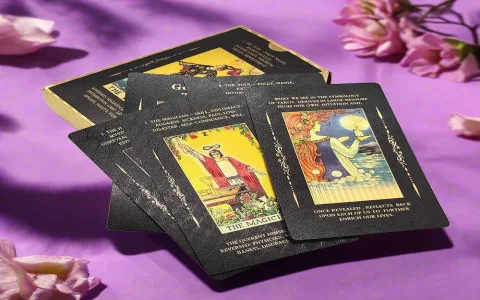
So, you wanna get into tarot? Cool. I get it. I was in your shoes not too long ago, staring at these shiny, cryptic cards, wondering if I was ever gonna “get” it. It felt like trying to read a secret language without a dictionary. But lemme tell ya, it’s not as wild as it looks. It’s more about trusting your gut and less about memorizing some huge book.
My journey into this whole tarot thing kinda started by accident. I kept seeing these cool-looking decks pop up on my feed, all artsy and mystical. At first, I just thought they were pretty pictures. Then, one day, I was scrolling through a tiny online shop – you know, the kind that sells handmade stuff and weird trinkets – and there it was. A beginner’s tarot deck. It had simple artwork, none of that super detailed, ancient-looking stuff, and it came with this little booklet that promised to teach you the ropes. I figured, “Why not?” It was cheap enough, and curiosity got the best of me.
When that package finally landed on my doorstep, I ripped it open like a kid on Christmas. The cards felt kinda stiff, you know, fresh out of the box. The booklet was tiny, almost a pamphlet, but it was clear enough. It basically said, “Don’t overthink it, just start pulling cards.” So, that’s exactly what I did.
My First Steps: Just Pulling Cards
The first thing I did was just shuffle the deck aimlessly. No question in mind, no deep thoughts, just getting a feel for the cards. They were slick, a bit hard to shuffle gracefully at first. I probably dropped half of them on the floor a few times. After a while, I got them all back in order, sort of, and just started pulling them one by one. I didn’t even look at the booklet yet. I just looked at the pictures.
I remember one of the first cards I pulled was The Fool. This dude standing on a cliff, a dog at his feet, ready to step off into nothing. My immediate thought was, “Uh oh, bad idea, man.” But then I looked closer at his face, all carefree and bright. And the sun was shining. It just hit me: maybe it wasn’t about danger, but about new beginnings, about taking a leap. That was the first time I actually felt a tiny spark of understanding, just from staring at a picture.
- Shuffle ’em up: Get comfortable with handling the deck. Don’t worry about being perfect.
- Look at the art: Before reading anything, just observe the images. What do they make you feel? What story do they tell?
- Trust your gut: Your first impression is often the most insightful.
Moving On to Spreads and Meanings
After a few days of just pulling single cards and trying to get a vibe from the art, I finally cracked open that little booklet. It had a “Card of the Day” spread, which is literally just pulling one card and seeing how it relates to your day. This was a game-changer. Suddenly, instead of just random pictures, I was trying to connect them to real life stuff happening around me.
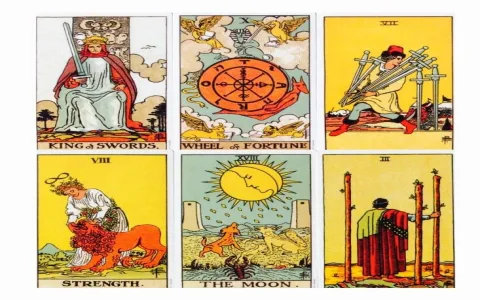
I remember pulling the Three of Swords one morning. That’s the one with the heart pierced by three swords, pretty grim, right? I braced myself for a rough day. And sure enough, later that day, I got some bad news from a friend, something really upsetting. It wasn’t a huge disaster, but it stung. And when I reflected, that card just made perfect sense. It wasn’t about predicting doom, but about acknowledging emotional pain, which is exactly what I felt. It was an “aha!” moment. It wasn’t about fortune-telling in the crystal ball sense, but more like a mirror reflecting what was already there or what was coming up.
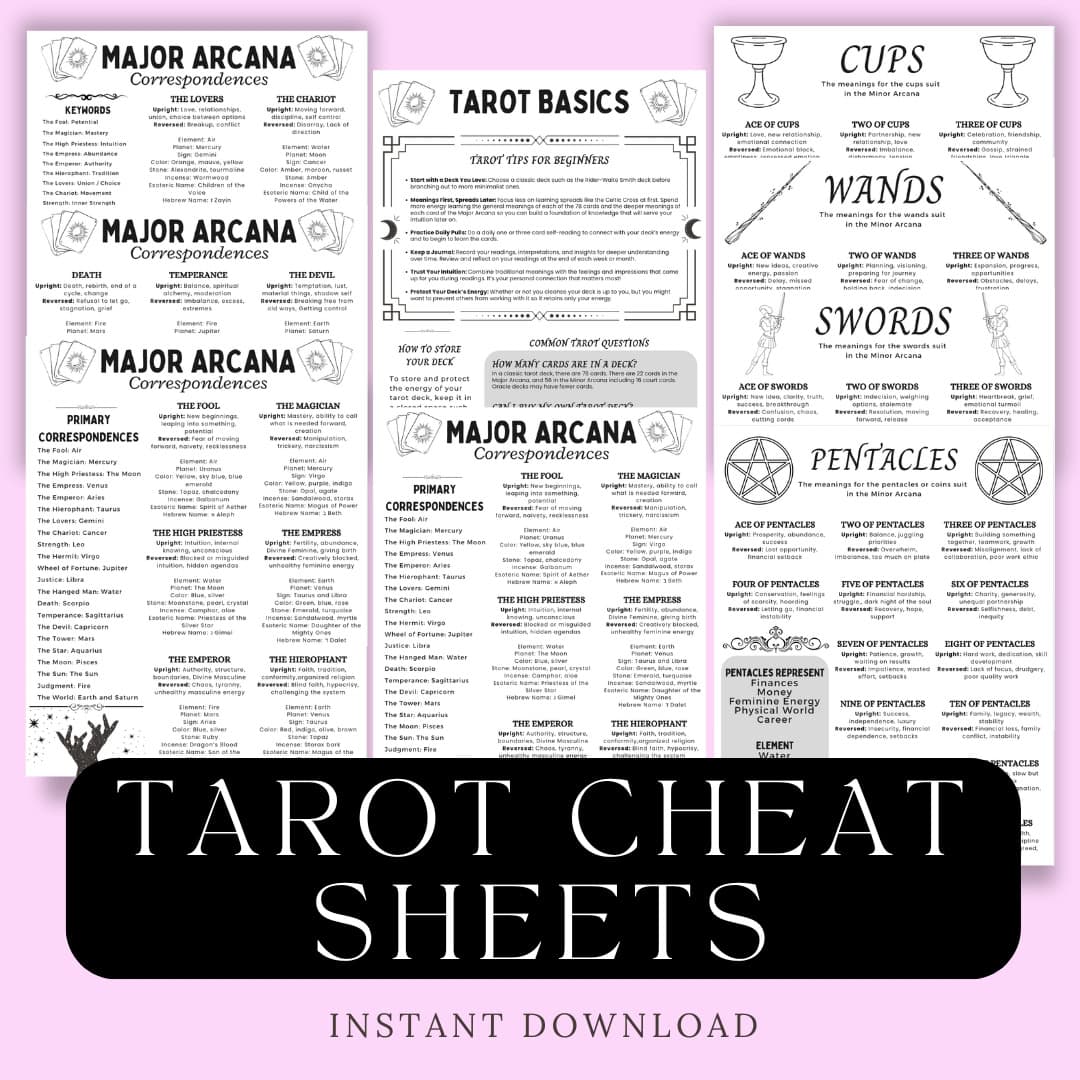
Then I dared to try a three-card spread: Past, Present, Future. This felt way more serious. I’d sit down, clear my head, and really focus on a question. Like, “What do I need to know about this new project at work?” I’d pull three cards, lay them out, and then try to weave a story. The booklet gave me keywords for each card, but I tried not to just parrot them. I’d read the keyword, then look at the picture, and then think about my question. How did they all connect? Sometimes it felt like a puzzle, but a fun one. The key was to let the cards tell a story together, not just interpret each one in isolation.
What I Learned Along the Way
The biggest thing I realized pretty quickly was that there’s no “right” or “wrong” way to interpret them. Well, not exactly. It’s more about what resonates with you. If a card usually means one thing, but to you, in that moment, it feels like something else entirely, go with that feeling. It’s your intuition trying to talk to you.
I also learned that practice is everything. You can’t just read a book and suddenly be a tarot master. It’s like learning a language. You gotta speak it, even if you stammer a bit at first. The more you pull cards, the more you look at them, the more you try to connect them to your life, the easier it gets. The pictures start to tell you more, and those little booklets become less essential. You build your own relationship with each card.
Another big takeaway was to start simple. Don’t jump into complicated spreads with ten cards and then get frustrated because you can’t figure it out. Stick to one card a day, then a three-card spread. Build up your confidence. I eventually started experimenting with different decks too, which was cool because each artist brings a different flavor to the same core meanings.
So, if you’re thinking about diving in, just grab a deck that calls to you, sit down with it, and just start. Don’t worry about knowing all the deep lore right away. Just feel the cards, look at the pictures, and see what stories they want to tell you.