
Is the Nine Tarot Really Good or Just a Headache?
Man, asking if the Nine card in Tarot is a good card is like asking if your old, busted-up truck is reliable. It just depends on what kind of trip you’re talking about and if the thing will even start up on a cold morning. You read a dozen books on the damn thing, you look at a dozen websites, and you get a dozen different stories. It’s a mess.
The Nine of Pentacles? Everyone says it’s great. Money, comfort, success. Nine of Swords? Pure nightmare fuel—anxiety, sleepless nights, sitting up at 3 AM freaking out. Nine of Wands? Tired, holding on by a thread. Nine of Cups? Emotional wishes coming true. All these Nines, they don’t line up at all. They aren’t one thing.
I decided to stop reading the flowery stuff and just find out for myself. I got tired of the ambiguity. I wanted a log of practical results, not a poetry book.
My Practice Log: Tallying the Nine’s Real Outcome
I started a rigorous log about two years back. I said, “Enough is enough. I’m going to track every single Nine that shows up.” This wasn’t just for me, but for friends and practice readings online. I pulled the Nine in every suit—Cups, Wands, Swords, Pentacles—and I wrote down the question, the card, the immediate feeling, and then I followed up a week or a month later. I tracked at least sixty different pulls, a pure tally of outcome versus expectation.
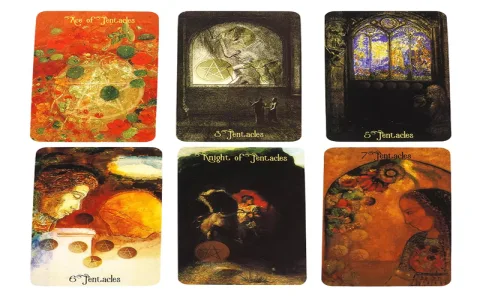
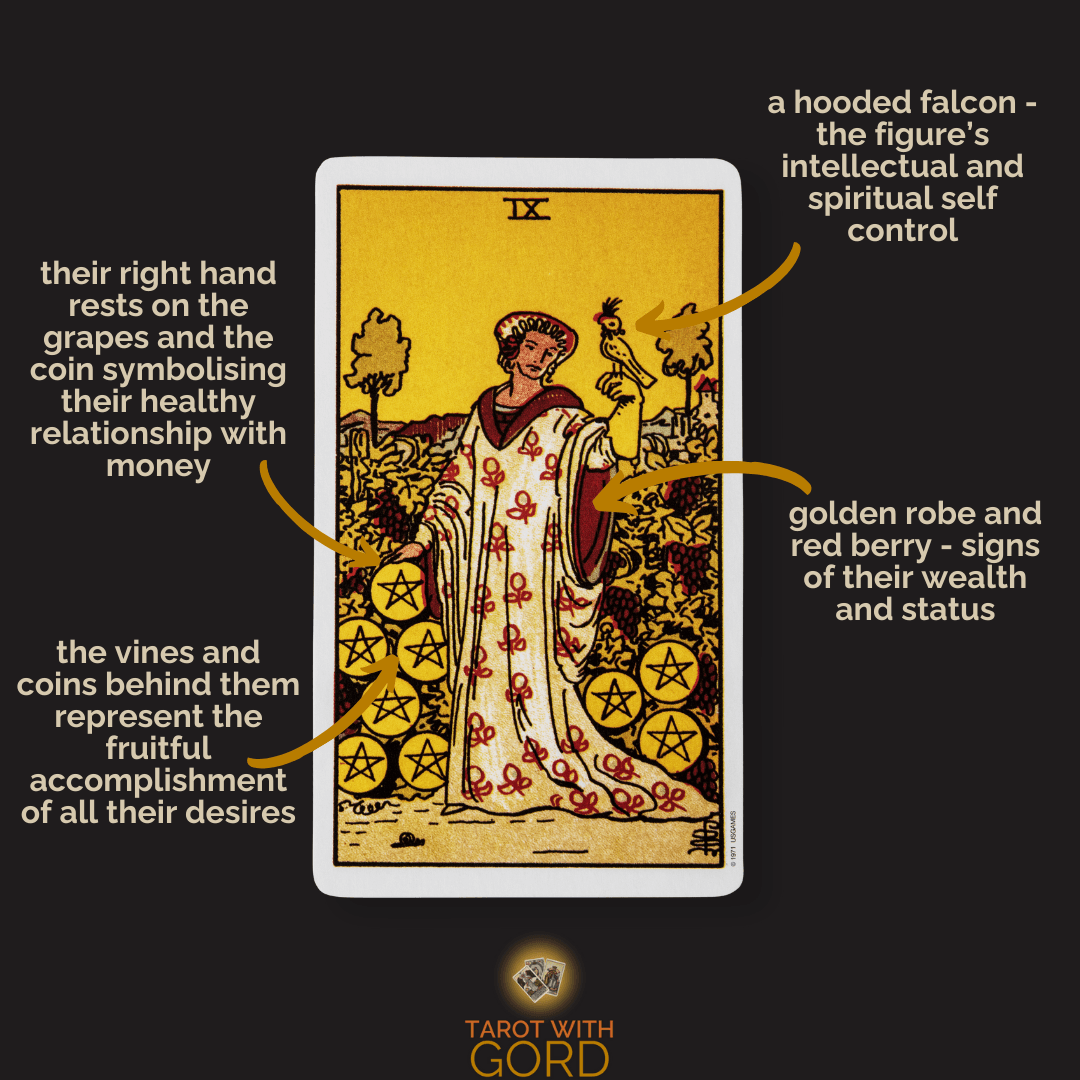
- Nine of Pentacles: Everyone promises independent wealth. What I saw was isolation. One guy pulled this, and then he bought a property way out in the sticks, exactly what he wanted. Beautiful house, tons of land. But I called him a month later, and he was bored stiff. Too much money, too much comfort, and absolutely no connection with anyone. He looked successful, but he felt empty. It was success with a high price tag.
- Nine of Swords: The standard warning is anxiety, fear, and waking dread. But when I tracked the actual results, it wasn’t the tragedy itself. It was the realization of the trouble. A friend of mine pulled this, sure that he was going to mess up a major job presentation. He pulled the card, freaked out for 48 hours, and then spent every waking minute studying, practicing, and preparing like a maniac. He absolutely crushed the presentation. The fear didn’t defeat him; it woke him up. The card was a tool, a punch to the gut that forced action.
- Nine of Wands: The card of holding on. The books say you’re tired, you’re near defeat. My practical log showed otherwise. It showed someone who refused to quit. When I logged the outcomes of this card, the querents always found that last bit of stubborn energy. It wasn’t a sign of weakness; it was a sign that the finish line was in sight, and they just needed to take two more steps.
Why I Threw the Tarot Books in the Fire (Not Literally)
You might ask why I became so focused on practical outcome over the textbook meaning. Because I needed real answers, not some gentle philosophy from a book written a hundred years ago. I needed things that worked when my life was a total disaster zone.
This all started just after my last company went through that total messy merger. I walked into the office one Monday morning, swiped my badge, and it came back denied. I tried again. Denied. I called my manager’s number. It went straight to a dead tone. I ran into the HR office, and the doors were literally chained shut. They didn’t even have the decency to call us in or send an email. Just a total, ghosting lock-out.
Suddenly, my income disappeared. My savings drained out in three months just covering rent and the truck payment. I scrambled, applied everywhere, but nothing was sticking. I was running a basic card spread on my own life every single morning, desperately trying to get a handle on what to do next. The cards kept coming up Nine of Swords, Nine of Wands, Nine of Pentacles reversed—the trifecta of miserable uncertainty.
The standard meanings told me to feel anxious, to retreat, to accept financial stagnation. If I had listened to those books, I’d still be sitting on my couch, waiting for the government or the universe to fix things. But I looked at my log. I saw the pattern. The Nine of Wands pushed me. It told me, “You are tired, but you are not defeated.” The Nine of Swords wasn’t telling me to fear the future; it was telling me to face the worst-case scenario and build a wall against it. I used that panic to fuel a total career change. I taught myself basic scripting and database management over a ridiculously brutal nine months just to survive. It was the cards’ blunt honesty that saved me, not their poetic meaning.
The Practical Verdict on the Nine: It Just Pushes You
So, is the Nine Tarot card “good”? That question is garbage. My practice taught me that the Nine is always a tipping point. It forces your hand before you hit the Ten, which is the final closure. It’s always about the final stage of whatever the suit energy is:
- Nine of Pentacles: Do you trade your wealth for isolation, or use it to connect?
- Nine of Wands: Do you finally give up, or do you take that last two steps to victory?
- Nine of Swords: Do you let the anxiety paralyze you, or do you use the fear to motivate action?
All those online guides selling you a happy story or a miserable warning? They’re missing the crucial point. The Nine is a loud alarm clock, not a gentle hug or a swift kick. I stopped judging them as “good” or “bad” and started treating them like an action item. That’s the only practical, real-world way to read these cards right.