
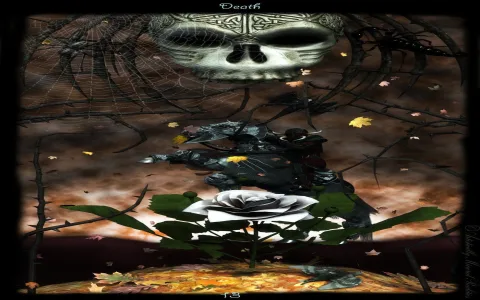
Man, let me tell you about this journey I had with the Legacy of the Divine Tarot book. When I first got my hands on that deck and its accompanying book, I was super excited, you know? The artwork on the cards just pulled me in, really beautiful stuff, very detailed. But then I opened the book, and honestly, it felt like hitting a brick wall. Like, I’ve dabbled in tarot before, I’m not a total newbie, but this book… it just felt dense. Overwhelming, almost.
I remember sitting there, staring at the pages, trying to connect the intricate card meanings with what I was actually seeing on the spread. It felt like every sentence was packed with so much information, and my brain just couldn’t sort it out. I’d pull a few cards, try to look up their meanings in the book, and then feel more confused than when I started. The readings just didn’t flow. It was clunky, like trying to have a conversation through a really thick fog. I’d shut the book, shove the cards back in their box, and just walk away, thinking, “This ain’t for me, not with this book.”
My Frustrations and the Breakthrough Moment
For a while, the deck just sat there, gathering dust. Every now and then, I’d pick it up, feel that initial spark from the artwork, then remember the book and sigh. I wanted to use these cards, really badly, but that book was just a barrier. It was like I had this amazing tool, but the instruction manual was in a language I kinda understood but couldn’t speak properly.
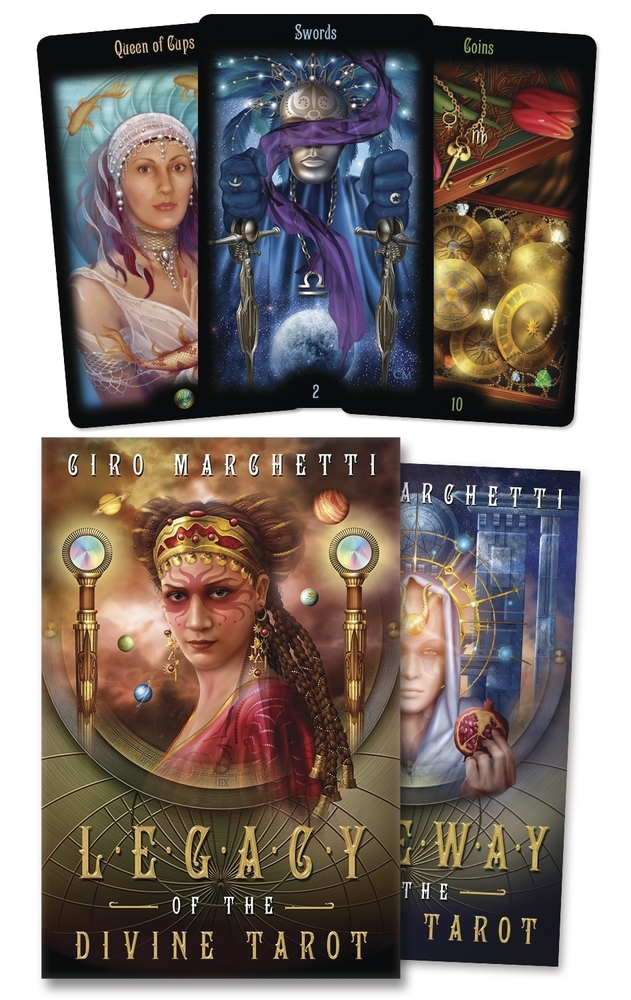
Then one rainy Sunday afternoon, I was just fiddling around, not really planning to do a full reading. I pulled out the Legacy of the Divine Tarot deck again. This time, I decided to ignore the book completely for a few pulls. I just looked at the cards, tried to feel what they were saying. It was a nice exercise, but I still felt like I was missing some of the deeper stuff that the book promised. That’s when it hit me. Maybe I was approaching the book all wrong. It wasn’t a textbook to memorize; it was more like a reference, a guide, but I needed to find my own way into it.
My “Easy Reading Tips” Started to Take Shape
I started experimenting. My first big tip, and honestly, the game-changer for me, was this:
- Don’t Read the Whole Page for One Card. I used to try and read every single paragraph for each card I pulled. No wonder I was overwhelmed! My new approach was to just skim. I’d pull a card, quickly flip to its section, and just let my eyes fall on a keyword or a short phrase that jumped out at me. Just one or two things, no more.
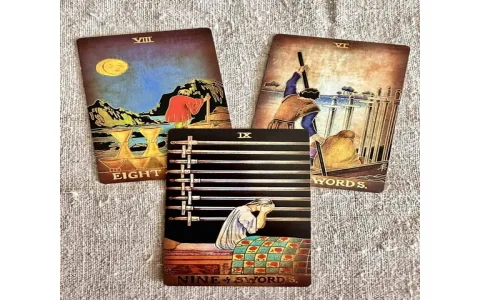
This changed everything. Instead of trying to absorb a lecture, I was grabbing a prompt. So, say I pulled the Ten of Swords. Instead of reading about endings, rock bottom, new beginnings, betrayal – all the heavy stuff – I’d just glance and maybe “completion” would pop out at me. Then I’d sit with that word for a moment and see how it felt with the other cards.
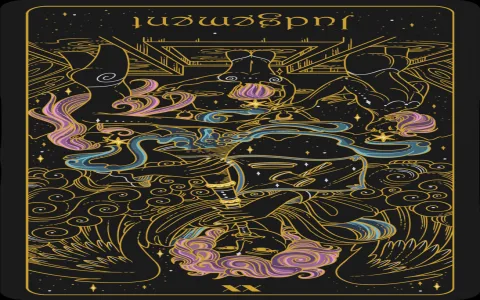
Next thing I figured out was about the imagery on the cards themselves. The Legacy of the Divine Tarot cards are so rich visually, and the book’s descriptions often tie right back to that art. So my second tip came to be:
- Connect the Book’s Words to the Card’s Picture. This sounds obvious, but I wasn’t doing it proactively enough. When I found that keyword or phrase, I’d immediately look back at the actual card. “Completion” for the Ten of Swords? Okay, I see the figure lying down, swords stuck in their back, but also that sunrise on the horizon. The book might talk about the sun rising, and suddenly, that keyword “completion” starts to make more sense with the visual of a cycle finishing and a new day beginning. The words started to feel less abstract and more grounded in the art.
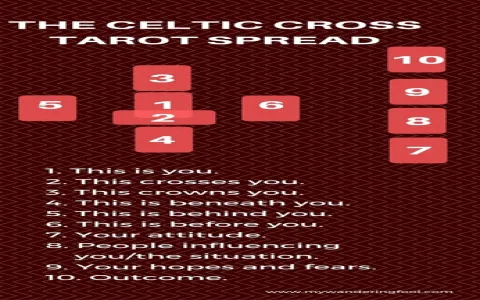
Another thing that made a huge difference was how I approached the spread itself, not just individual cards. I used to pull cards and then just jump straight to the book. But that wasn’t letting the story unfold. So my third tip became vital:
- Read the Spread First, Then the Book for Clarification. I started laying out my cards, whatever spread I was doing, and just looking at them. What did the overall picture tell me? What colors stood out? What emotions did they evoke? What kind of narrative seemed to be happening? Only after I had my own gut feeling about the spread, did I even touch the book. And even then, it was just for those quick keyword glances, not full deep dives. The book became a helpful nudge, not the primary interpreter.
And finally, this last one really made the process feel less like studying and more like an actual conversation:
- Use the Book to Ask Questions, Not Just Get Answers. Instead of thinking, “What does this card mean?”, I started using the book’s phrases to ask myself questions. If the book mentioned “inner struggle” for a card, I’d look at my spread and ask, “Where am I experiencing this inner struggle right now?” Or if it said “new opportunity,” I’d ponder, “What new opportunities are opening up for me, and how does this card show it?” It turned the reading into an active dialogue with myself and the cards, with the book acting as a prompt master.
So, there you have it. Those were the big lessons I picked up, piece by piece, grappling with that Legacy of the Divine Tarot book. It went from being this giant, intimidating tome to a pretty handy companion. I’m not saying it’s the easiest book out there still, but with these simple shifts in how I approached it, I actually started enjoying my readings. It’s less about memorizing every single detail and more about letting the book guide your intuition, rather than dictating it.
It’s funny how sometimes the biggest breakthroughs come from just stubbornly trying things differently until something clicks. And for me, with that beautiful, but at first, maddening book, these tips were what finally made it click.