
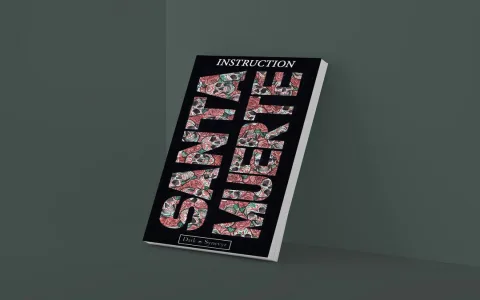
Alright, so I finally put together this quick rundown for the Santa Muerte deck. Man, when I first got this deck, I thought, “What the hell did I just buy?” Everybody online talks about the standard RWS, the light, the fluffy, the safe stuff. They tell you to get a deck that makes you feel happy.
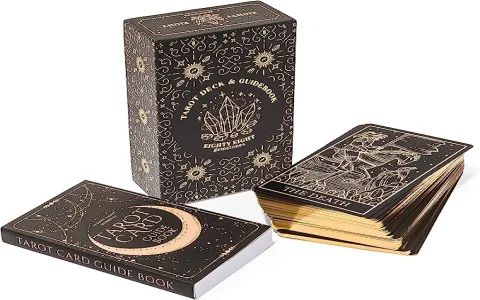
But this deck? It’s another animal entirely. It’s chunky. It’s dark. It’s got skulls and robes and it looks like it’s going to steal your soul and tell you a terrible truth on the way out. It’s intimidating as hell. I had friends look at it and just nope right out of the room. I knew I had to work with it, but the initial barrier felt huge.
The Mess I Started With
I tried to do what everyone says you should do when you get a new deck. I ripped open the box and I found the little guidebook. What a joke. It was maybe three sentences per card. Some of the meanings were just straight-up vague, like they were trying to be poetic but just ended up being useless. It was like they assumed you already knew what you were doing and just needed a tiny nudge. I kept pulling cards, I kept looking at that tiny pamphlet, and I just kept getting confused. I kept thinking, “The Death card here, with its full-on skeleton and scythe, feels way heavier than the gentle transformation in my other decks.” It felt like a final stop, not a change of scenery.
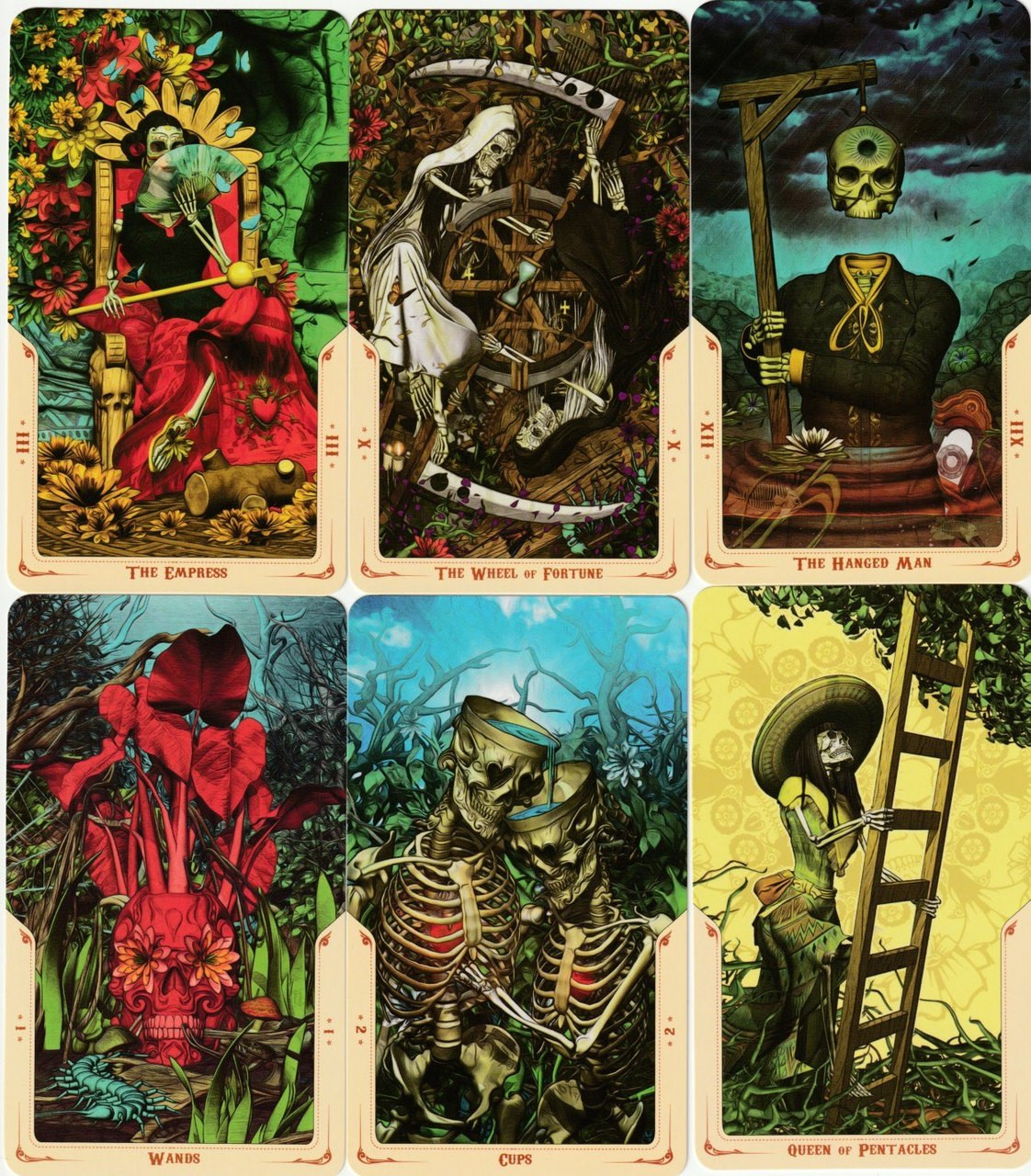
I spent about a week on this frustrating cycle of pull-read-confuse-put-away. I felt like I was arguing with the cards because my intuition was screaming one thing, and the little book was muttering something completely opposite. I finally just got mad enough and tossed the booklet into my junk drawer. I decided I wasn’t going to rely on someone else’s vague, generic words based on a different deck system. I needed a cheat sheet that made sense to me, based purely on the actual art and the feeling I got when I held the card. This wasn’t going to be about memorizing keywords; it was going to be about internalizing the raw, undeniable vibe.
So, I grabbed a stack of index cards and my laptop, and I decided to start from scratch.
Building My Own Brutal Guide
The first step was to separate the Majors from the Minors. The Majors were the easiest but also the most intense to work through. I put each Major on the table and just stared at it for five minutes straight. I didn’t read the name. I just looked: What is the main action? What is she holding? What color is the background? I documented the symbolism first.
For example, the standard Empress is all cozy. Here? No. My notes for The Empress weren’t “nurturing” anymore; it was “Fertility and Dominance, but watch out for the cost.” For The Devil, it wasn’t about being chained; it was pure, beautiful, almost casual greed and obsession. It was a choice made in plain sight, not a punishment from above. I saw the action being taken, and I wrote that down. I wrote down only the sharpest, hardest truth I could extract.
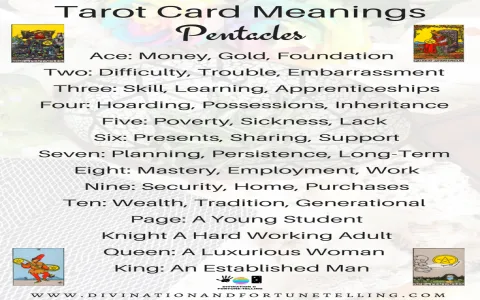
The Minors were the real grind, especially the Swords and Wands. I organized them by number, Ace through Ten, then the court cards. I had to fundamentally adjust the element connections. I linked Cups not just to ’emotion,’ but to ‘ritual and spiritual fulfillment through acceptance.’ Pentacles became ‘physical needs and the wealth of the dead or those who came before.’ I focused on the suit element but filtered it entirely through the Santa Muerte lens.
- The 5 of Swords isn’t just ‘loss’; it’s ‘the bitter, absolute victory where everyone loses, the price was too high.’
- The 3 of Pentacles wasn’t ‘teamwork’; it was ‘a necessary transaction, a contract with the unseen.’
I allowed myself a maximum of three punchy keywords for each card. No long paragraphs, no detailed stories. Just the punch. This whole process of writing, shuffling, pulling, and rewriting took me almost three full days spread out over a week just to get a draft that felt right.
Why the Hard Manual Was Necessary
Why did I even bother doing all this when I already had three other perfectly fine decks? That’s the part where I cut through the spiritual fluff.
I bought this deck right after my life went sideways. My old career had evaporated in front of my eyes, and I was dealing with the fallout of a toxic family situation I had ignored for years. I was burnt out, broke, and angry. Every reading I did with my old decks felt saccharine and useless. They lied to me. They told me to ‘trust the Universe’ when my bank account was empty. They told me to ‘focus on the positive’ when I had just been handed a massive disappointment.
I needed something that understood the ugly, grinding, and necessary reality of dealing with death, of accepting the inevitable end of a cycle. I didn’t need a hug; I needed a shovel. My old decks told me everything would be fine. This Santa Muerte deck, and the guide I made for it, just said, “Yes, this sucks. You’re done with this. Now, what are you going to build from the ashes?”
I realized I wasn’t just making a guide for the cards; I was making a guide for that stage of my life. That’s why the little book from the publisher didn’t work. It wasn’t written by someone who had been through the fire, only around the edges. That rough guide I created became my lifeline. Now I can pull a card, look at my simple list I banged out, and get the answer instantly. It’s raw, it’s not fancy, but it works. It cuts through the BS and gives me the hard truth I need. If you’re struggling with this deck, forget the book. Take the time, hold the cards, and let Her tell you what they mean. Make your own damn manual. You’ll figure it out, just like I did.