


Man, I remember diving into the world of tarot, it was such a trip. Initially, I just grabbed the first deck I saw online. Big mistake, but a great learning curve for sure. The thing I totally overlooked at the start was the size of the tarot cards. Trust me, it makes a huge difference in how you actually use them.
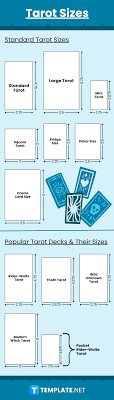
I started with a standard Rider-Waite clone. You know, the typical size, about 2.75 inches by 4.75 inches. Sounded normal enough. I opened the box, shuffled them once, and immediately thought, “These things are massive.” My hands are average, maybe slightly smaller, and trying to shuffle that big stack felt like I was wrestling with a paperback novel. It was awkward and they kept flying everywhere.
The Standard Struggle: Classic Size
- My first deck was the classic size. Good for seeing the art, bad for shuffling if you don’t have huge hands.
- I kept fumbling the cards. Made readings clumsy and less intuitive because I was focused more on not dropping the deck than on the actual spread.
- If you plan on displaying the cards, or if you prefer really detailed artwork, this size is perfect. But for someone starting out who needs smooth handling, it was rough.
I stuck with that deck for about three months, just forcing myself to get used to it. I tried the overhand shuffle, the riffle, everything. Riffle was impossible—bent a few cards trying that. Overhand was okay, but still felt stiff.
A Game Changer: The Smaller ‘Poker’ Size
I saw someone online mention ‘bridge’ or ‘poker’ size tarot cards. Apparently, they are slightly narrower and shorter. I found a great little indie deck that was listed as ‘travel size’ or ‘pocket tarot.’ I ordered it immediately. When it arrived, I measured it: closer to 2.25 inches by 3.5 inches, basically standard playing card size.
This completely changed my practice.
- Shuffling became effortless. I could actually shuffle them like a regular deck of cards, which felt natural and easy.
- The smaller size felt much more intimate and manageable in my hands. I felt like I had a better grip and connection to the deck.
- Spreads were easier to manage on a smaller table. I don’t always have a huge designated reading space, so fitting a Celtic Cross spread on a bedside table was now doable.
The only real downside? The art was a little cramped. If the deck had super detailed imagery, sometimes it felt like I was squinting a bit to catch all the nuances. But honestly, the ease of use outweighed that minor issue.
The Giant ‘Oracle’ Size: Not for Everyone
Then I tried an oracle deck that was just enormous. I know, oracle cards aren’t technically tarot, but they are often used similarly, and they come in the same ranges of size. This deck was maybe 3.5 inches by 5.5 inches. Just massive.
I bought it because the artwork was stunning—huge, vibrant landscapes. But trying to shuffle them? Forget it. It was a chore. I basically had to spread them out on the floor and mix them up, then stack them back together. No smooth shuffling at all.
I kept that deck mostly for single-card draws or very basic, three-card pulls, where the focus was entirely on the visual impact of the single card. If you are doing complex spreads, this size will literally take over your entire workspace.
My Takeaway on Buying
So, what did I figure out after wrestling with small, medium, and huge cards? It really depends on your hands and how you plan to use them.
If you have large hands or you primarily want to study the fine details of the art, stick to the standard size (around 2.75″ x 4.75″). You’ll get the full visual experience.
If you need to shuffle easily, want portability, or have smaller hands, go for the pocket or bridge size (closer to 2.25″ x 3.5″). This is my current preferred size for everyday practice because it just flows better.
If you are buying a deck purely for meditative display or artistic appreciation, and plan on simple spreads only, then the truly oversized decks are fine, but be prepared for unconventional shuffling methods. Don’t expect to riffle shuffle those monsters.
Seriously, before buying a new deck, look for the actual dimensions in the product description. Don’t just assume ‘standard’ is right for you—I learned that lesson the hard way. It’s all about finding that comfort level so you can focus on the reading, not on dropped cards.