
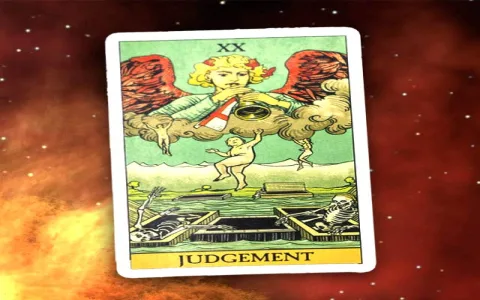
Man, I gotta tell you about my journey with The Judgement card, Tarot 20. It wasn’t some quick read from a book, this was stuff I had to really dig into myself, through actual practice and just living life.
The Start: Just Another Card
When I first started messing with Tarot, Judgement was just… confusing. It had this big angel blowing a horn, people rising up. Felt very heavy, very biblical in a way that didn’t immediately click with everyday life. I used to pull it, and just kinda go, “Uh, big change, maybe? End of something?” It felt abstract, unlike, say, The Lovers or The Tower, which hit you right in the face.
I read all the basic interpretations: resurrection, a final decision, being judged. But they all felt cold. I wanted to feel the spiritual core of it.
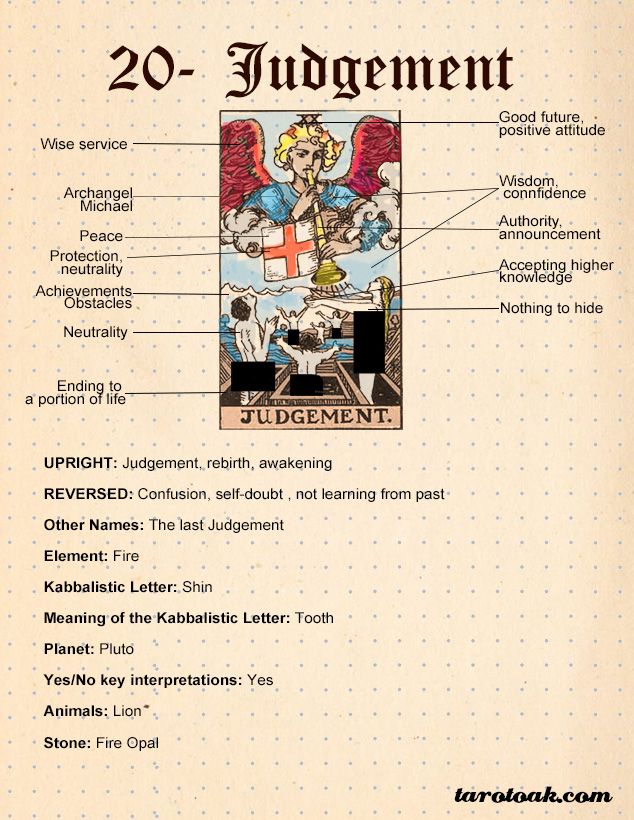
Diving Deeper: My Personal Practice
I decided to put Judgement on the spot. For about a month, every time I did a personal reading, I would focus on how Judgement applied, no matter what position it landed in. This is how the real understanding started to bubble up.
I started seeing a pattern. It wasn’t about God judging me. It was about me judging me. It was an internal audit. The horn wasn’t a warning of doom; it was a loud wake-up call, shaking me out of complacency.
- First major realization: It’s about facing the consequences of past actions, but not in a punitive way. More like, “Okay, here’s the sum total of everything you’ve done. Are you happy with this report card?”
- Second step: I started journaling specific life choices when Judgement popped up. Was I living authentically? Was I echoing my parents’ expectations, or my true self? This card forced honesty. Brutal honesty.
I remember one specific reading where I was debating leaving a job that was sucking my soul dry. Judgement came up in the “Outcome” position. My first thought was dread. Like I was going to be judged for quitting. But then I flipped it. The spiritual meaning hit me: the only way to move forward was to unequivocally decide that the past version of myself—the one who tolerated the bad job—was over. A conscious, internal resurrection.
The Spiritual Core: The Call to Action
This card isn’t passive. It demands action. The figures aren’t waiting for permission; they are rising because they heard the call. The spiritual meaning of Tarot 20, for me, crystallized into this:
It is the complete awareness of self.
You’ve gone through The Hanged Man (sacrifice/perspective shift) and Death (transformation/ending). Judgement is the review period after the major life overhaul. It’s the moment you integrate the lessons.
This card screams forgiveness. You can’t rise up if you’re still clutching old resentments, especially the ones you hold against yourself. I worked on actively forgiving my past mistakes that this card dragged up. It was heavy lifting, but totally worth it.
When Judgement shows up, I now interpret it as a profound opportunity for clarity. You’re being given a second chance, a cosmic reset button, but you have to actively press it. You have to decide to step into your fully realized self, free from the old narratives and limitations.
It’s the understanding that you are already complete, but you’ve been ignoring the trumpet call to acknowledge it. Once you hear it, once you rise, you are ready for the final leg of the journey—The World. But you gotta pass the internal audit first. That’s the real spiritual juice of Tarot 20.