

Man, let me tell you, for the longest time, my relationship was an absolute train wreck. We thought being “in love” meant constant, exhausting drama. We were always yelling, crying, walking out, sending those stupid long texts at 3 AM. It was a total mess, an unmaintainable nightmare, like trying to run an enterprise server on seven different incompatible operating systems.
We called it passion. I realized later it was just chaos. And guess what chaos leads to? Breakup. We were a week away from calling it quits. I had already mentally checked out, figuring I’d just move back into my tiny studio apartment and be done with the whole complicated setup.
I was so ready to bail. You know that feeling? When you are putting in ten hours of work, getting zero results, and thinking, “Screw this, I’m going to go find an easier job.” That was me. I was looking for an easier relationship, a cleaner tech stack, anything that wasn’t this constant headache.
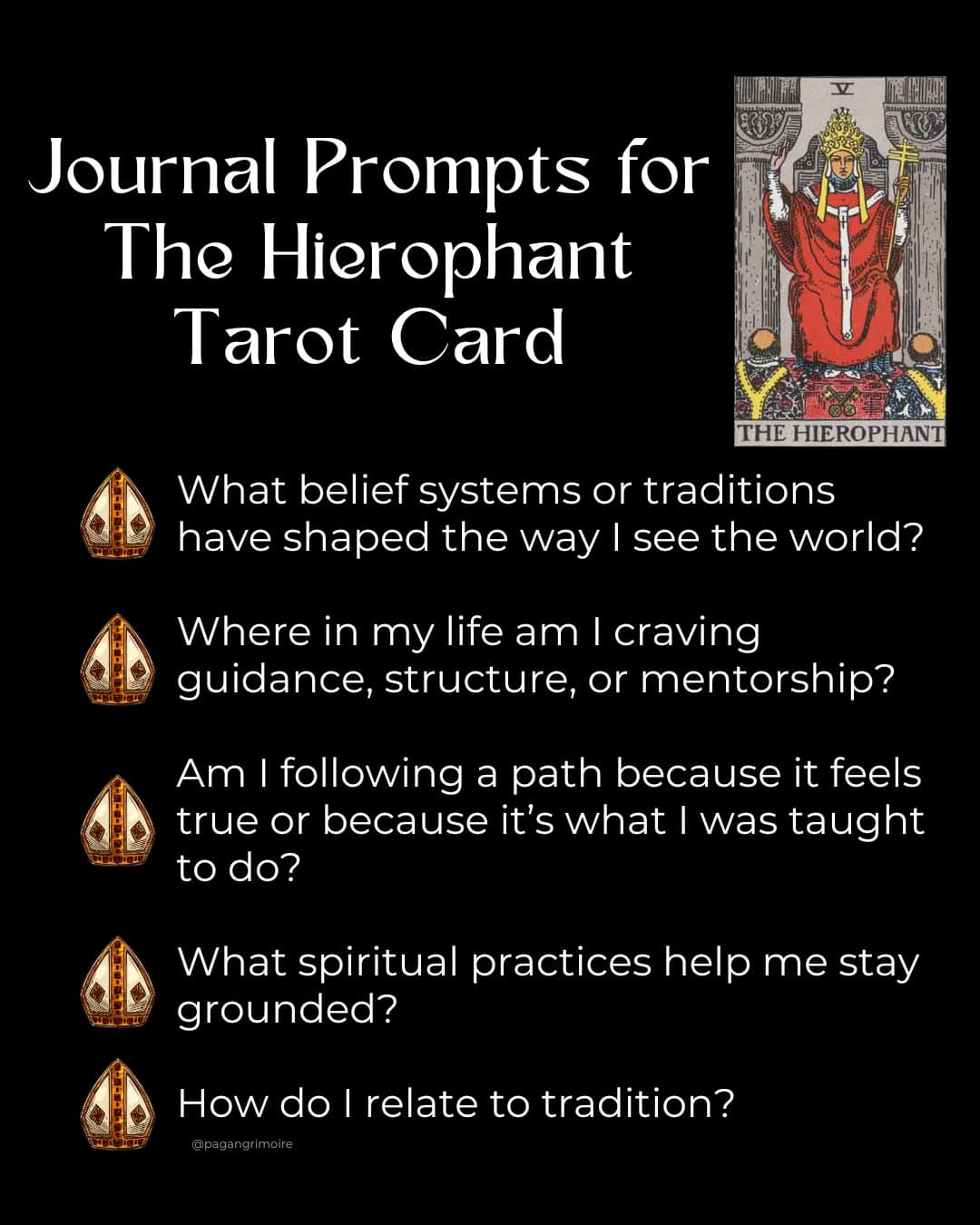
One Tuesday night, I was staring at my dusty old Tarot deck, which I usually just pull out to make fun of. I wasn’t even doing a proper spread. I just shuffled and pulled one card to mock the universe for my miserable state. I pulled The Hierophant.
My first thought was, “Great. This old bastard. Tradition. Structure. Rules. Authority.” I immediately dismissed it as irrelevant BS. Our problem wasn’t a lack of tradition; it was that tradition felt boring and irrelevant. We wanted fireworks, not committee meetings.
But the situation was urgent. I was on the brink of losing everything, just like when I was laid off years ago and had to scramble for any job to keep the lights on. I remembered that awful feeling of having no structure, no safety net, just pure panic. That panic forced me into my current, very boring but very stable gig—a gig I never thought I’d stay in.
And that’s when it hit me. The Hierophant isn’t about boring rules; it’s about frameworks. It’s about establishing a solid, agreed-upon system so the actual work can happen without everything exploding every fifteen minutes. I needed to stop improvising and start deploying a formal structure.
I realized our relationship was failing because we had zero governance. We were a bunch of tiny dev teams all running different codebases, fighting over resources, and never merging anything. Total anarchy.
The Implementation: Deploying the Hierophant Framework
I sat down with my partner—who was skeptical, to put it mildly—and implemented three crucial structures based on the core idea of that dusty old card: respect for the system. It felt totally unnatural at first, like writing unit tests for legacy code, but I dragged my ass through it.
Here’s the step-by-step process I forced into action:
-
The First Way: Mandate Scheduled Communication (The Quarterly Review)
I initiated a rule: No major arguments after 8 PM, ever. If something big came up, we had to write it down and save it for our “Weekly Review” on Sunday mornings. This was the single biggest game-changer. It forced us to prepare our points, articulate what the real issue was (not just the emotional fallout), and, crucially, it made 90% of the issues seem too trivial to even bring up once Sunday rolled around. We moved from emotional chaos to formal, structured reporting. I had to physically walk away and cool down a hundred times, but I stuck to the framework.
-
The Second Way: Define Roles and Responsibilities (The Standard Operating Procedure)
We actually sat down and made a list. Who handles bills? Who cleans the bathroom? Who plans the date nights? This sounds insane and unromantic, but hear me out: the Hierophant demands clear expectation setting. We wrote down our individual duties and expectations for the other person, right down to “must communicate before spending over X amount.” It took all the stupid guesswork out of the daily grind. We stopped fighting over whose job it was, because the SOP was right there. No more “I thought you did it.” Just “The system says this is your ticket.”
-
The Third Way: Seek Proven Wisdom (The Legacy Code Review)
We realized our friends were useless. They only reinforced our chaos. Following the Hierophant’s advice to look toward tradition or an established body of knowledge, we stopped talking to our own peer groups about big issues. Instead, we found a single, totally boring, happily married couple in their 60s—the kind of people who actually seem to like each other—and we listened to them. They didn’t give us complicated psychological advice; they gave us simple rules about putting the clothes away and saying “thank you” for stupid little things. I had to swallow my pride and accept this “old-school” mentorship. It forced me to see my problems weren’t unique; they were just common maintenance issues that needed standard fixes.
The Outcome: Stability Over Spice
I won’t lie. For months, it felt mechanical. It felt like we were just following a script. But what happened was truly miraculous: the drama disappeared. Since we had structured the fights, defined the work, and listened to the pros, the constant fighting stopped. We weren’t wasting energy on pointless turf wars.
The Hierophant didn’t make us feel like we were sixteen again, high on hormones and drama. It made us feel reliable. It made us feel solid. We traded the chaotic “passion” for a boring, stable, maintainable partnership. And for the first time in years, the system wasn’t crashing every weekend.
I learned my lesson: Sometimes, the only way to save a project—or a relationship—is to stop thinking you’re special and just install the proven, time-tested framework. The Hierophant saved my whole damn thing by forcing me to grow up and put some rules in place.