
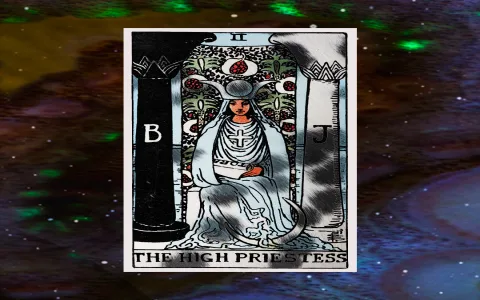
Alright folks, let’s dig into something heavy today. I’ve been messing around with the Tarot for a while now, not just as a parlor trick but as a serious tool for self-reflection. And nothing throws people for a loop faster than seeing a major arcana card flip upside down. Specifically, The High Priestess Reversed. That one always stops a reading dead in its tracks.
A few weeks back, I was doing a spread for myself—just a quick check-in about a new writing project I was starting. I pulled the cards and there she was, head down. My initial reaction? Ugh, resistance. I knew instantly this wasn’t about bad luck, but about something internal I was avoiding.
The Practice: From Confusion to Clarity
When I first started learning Tarot, the book definitions for reversals felt so dramatic—like everything was suddenly terrible. But through practice, I realized reversals are less about disaster and more about blockage or misuse of energy. For the upright High Priestess, we’re talking intuition, silence, secrets, hidden wisdom. When she reverses, that flow is plugged up.
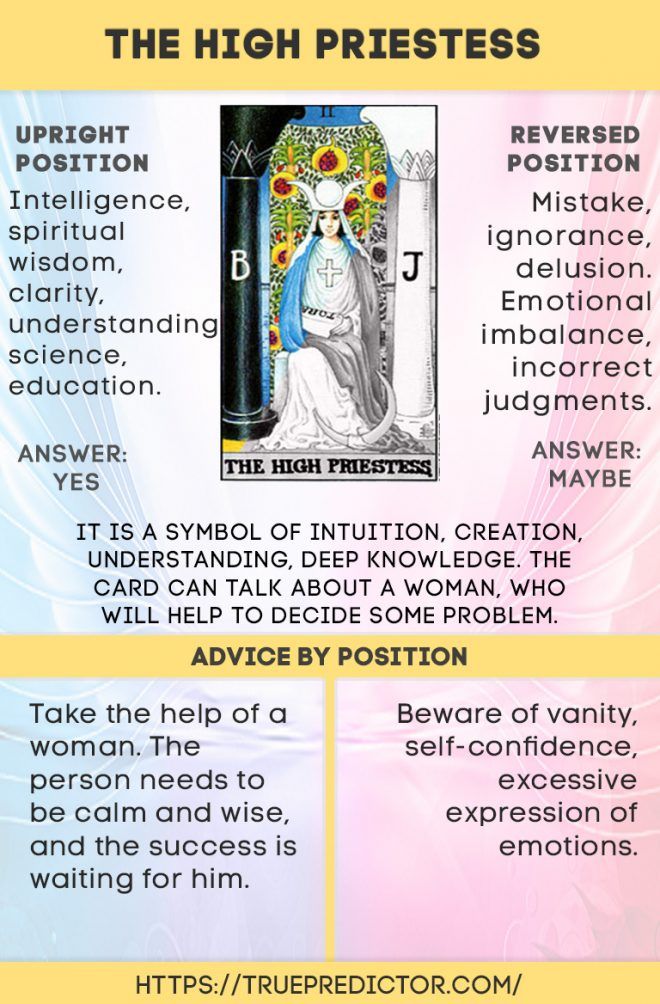
- Step 1: Acknowledge the Block. I looked at my project. The High Priestess upright would tell me to listen to my gut, trust the quiet voice. Reversed? I was drowning in external noise. I was spending more time scrolling social media for “inspiration” than actually sitting down and writing the damn thing.
- Step 2: Identify the Symptoms. In my journal, I tracked what the reversal felt like. It wasn’t just procrastination; it was an active avoidance of my inner voice. I was ignoring those gut feelings that told me which plot points were weak. I was seeking validation from others before I even had a coherent draft. This is textbook: surface knowledge instead of deep, internalized wisdom.
- Step 3: Analyze the Extremes. A reversed card often points to either too much or too little of its energy. I wasn’t just lacking intuition; I was possibly over-analyzing everything (too much external data) or letting fear of the unknown paralyze me (too little trust). I realized I was trying to logically blueprint something that needed to flow organically.
Breaking Down the Meaning in Practice
When you see the Reversed High Priestess, the biggest takeaway I always find is the refusal to look within. We are actively choosing the loud, chaotic world over the calm, insightful internal space she guards. For me, that meant:
Refusing Intuition: My gut kept telling me to ditch a whole character arc, but my brain kept saying, “No, I spent too long on it!” The High Priestess Reversed was literally telling me I was being stubborn and ignoring the whispers of my subconscious that knew better.
Surface Secrets: Sometimes this card means secrets being exposed unnecessarily, or gossip. In my case, it was less about actual secrets and more about keeping the “magic” of the creative process hidden because I was scared of failure. Instead of silently nurturing the idea, I was talking about it constantly, draining the energy before it manifested.
Patience Lost: The upright card demands patience and stillness. The reversal suggests agitation and impatience. I wanted results now and was trying to force the creative process, rushing the deep work needed. That’s a surefire way to produce mediocre stuff.
My Implementation and Resolution
So, what did I do? I treated the reversal not as a warning of failure, but as a direct instruction to course-correct.
I instituted a “Silence Hour” every morning. No screens, no books, just coffee and staring out the window, forcing myself to listen to my thoughts without judgment. It felt weird and unproductive at first, but slowly, the plot weaknesses became obvious. The internal resistance lessened because I stopped fighting the flow.
I actively decided to trust the first impulse on a few critical scene changes, even when they felt risky. I stopped seeking early outside feedback. I allowed the knowledge to come from within, rather than trying to research my way out of a creative problem.
The High Priestess Reversed isn’t a dead end. It’s the universe yelling at you: “Stop looking outside; the answers are already inside the building!” It was a painful but necessary slap to get me back on track, prioritizing quiet, deep wisdom over superficial action. And honestly? The writing is much stronger for it.