

The Six of Pentacles is a Lie. Or Maybe I Just Did It Wrong.
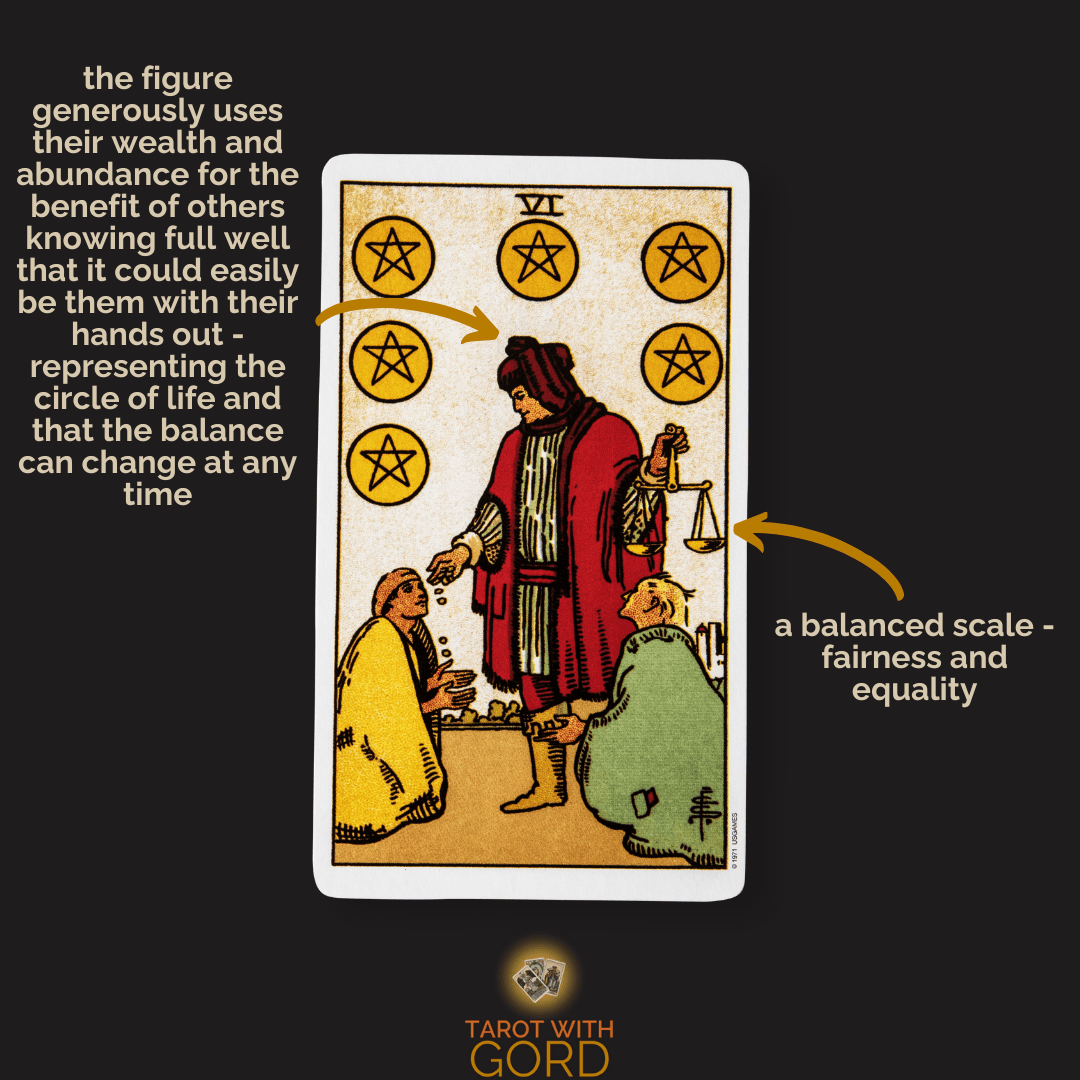
You see the Six of Pentacles in the deck, right? The guy standing there with the scale, handing out coins to the two people kneeling. It looks so neat. So balanced. “Charity and Fair Wealth,” the books all scream. So I thought, okay, let’s stop reading about it and actually live it out. I’ve got some stability now, figured it was time to put that equity back into the community, especially someone close who was having a rough year. I decided to become the guy with the scale.
I didn’t want to just cut a check and walk away. That felt like a transaction, not sharing wealth, you know? The core lesson of the Six of Pentacles, as I interpreted it, was about seeing the individual need and meeting it justly. Not just throwing cash at a problem. So I reached out to an old friend, let’s call him Mike. Mike had just lost his spot, was scrambling for rent, and was trying to restart a small coding business. He pitched me a plan, and I agreed to front him what he needed—not as a loan with interest, but as an investment in his stability, a straight-up gift to get him over the hump. I wrote down the figure, a significant chunk of change for me at the time, and handed it over, telling him the only return I expected was seeing him back on his feet. I felt like a million bucks. Like I was finally practicing what all those spiritual books preached.
That feeling lasted maybe three weeks. The situation got ugly real fast. The money I gave to stabilize him? It paid off the rent, sure, but then I started seeing new gear he didn’t need, fancy dinners on social media. My “investment” became a convenience fund. When I gently brought up the business restart—the one he pitched me—he shrugged it off and started complaining about needing more help, instantly. He skipped the whole struggling-to-get-ahead part and jumped straight to entitlement.
This drove me nuts. I realized my beautiful, balanced Six of Pentacles gesture had turned into a co-dependent mess. I wasn’t enabling stability; I was enabling dependency. And the worst part? He started talking smack to other mutual friends about how I was “tight” and “clearly had enough” to just give him another round, implying I was being mean by not doing more. The guy I helped was now accusing me of being the greedy one. Just like that old employer I had—you try to do right, you follow the rules, and they stop paying you and lock the door anyway. It’s the same flavor of betrayal, just dressed up as a “fair ask.”
The Scales Are Not for Weighing Coins; They’re for Weighing Boundaries.
I had to step back. I shut down the interaction. This whole experience taught me the reality of ‘fair wealth’ is absolutely brutal. You can’t just give and expect the universe, or the person, to stay in balance. The process of actually doing charity revealed that the giver is just as often taken advantage of as the person in need. I spent months untangling my feelings of guilt and resentment. I felt like a complete fool for being so naive about human nature.
What I discovered is that the real lesson of the Six of Pentacles isn’t in handing out the coin; it’s in the scale itself. It’s about being able to weigh the situation objectively and then having the guts to stick to the boundary, even when you’re called stingy or selfish. My new practice changed. It evolved from emotional giving to structured investment. I decided to only give to established, verified organizations—the ones with audited financials and clear missions. Why? Because bureaucracy, cold as it is, acts as a filter against pure, manipulative neediness. I started treating my charity like a high-risk portfolio that demanded due diligence.
- I stopped giving cash directly to individuals.
- I started setting up clear, written protocols for any future personal financial help (even family).
- I accepted that Mike would never be able to pay back the favor, but I used his betrayal as the tuition for my personal finance degree.
Now, years later, I see Mike cycling through the same instability, still reaching out to mutual friends, still asking for that “fair wealth” without ever putting in the work. He’s stuck. And I’m not. I learned that true fair wealth is about the self-respect to protect your own stability, not just the selfless urge to erase someone else’s. I am still giving, but now I use the scales to weigh the cost of the gift against the cost of my sanity. That’s the messy, difficult, practical truth the card never shows you on the surface.