


Man, let me tell you about some of the folks I’ve worked with over the years. You get all kinds in this business, right? You put a bunch of different brains in a room, and you just kinda hope for the best. I remember this one big project a few years back, a pretty gnarly one, actually. We were trying to streamline a whole backend system for an old client, and it was a mess. A total spaghetti code nightmare.
I found myself working super close with two particular individuals, and their approaches, man, they were just night and day. It took me a while to figure out what was going on, why things kept bumping. Let’s call one guy Alex, and the other one, uh, Brenda. Alex was all about the details, every single line of code, every tiny function, he had to make sure it was perfect. He’d spend hours debugging a minor visual glitch that most users wouldn’t even notice. He’d compile lists, check them twice, then check them again. He’d plan out every single step, every single meeting agenda, down to the minute. If something was off by a hair, he’d feel it.
Brenda, on the other hand, she was like a hurricane of ideas. She’d come in, throw out these wild concepts, things that nobody else was even thinking about. She’d see the big picture, the grand vision, how everything could connect in some futuristic, crazy way. But, you know, getting from her big idea to step one? That wasn’t always her strongest point. She’d get bored with the nitty-gritty pretty fast, always wanting to move on to the next big thing, the next breakthrough. She hated rules, hated being told how to do things, she just wanted to experiment and see what happened.
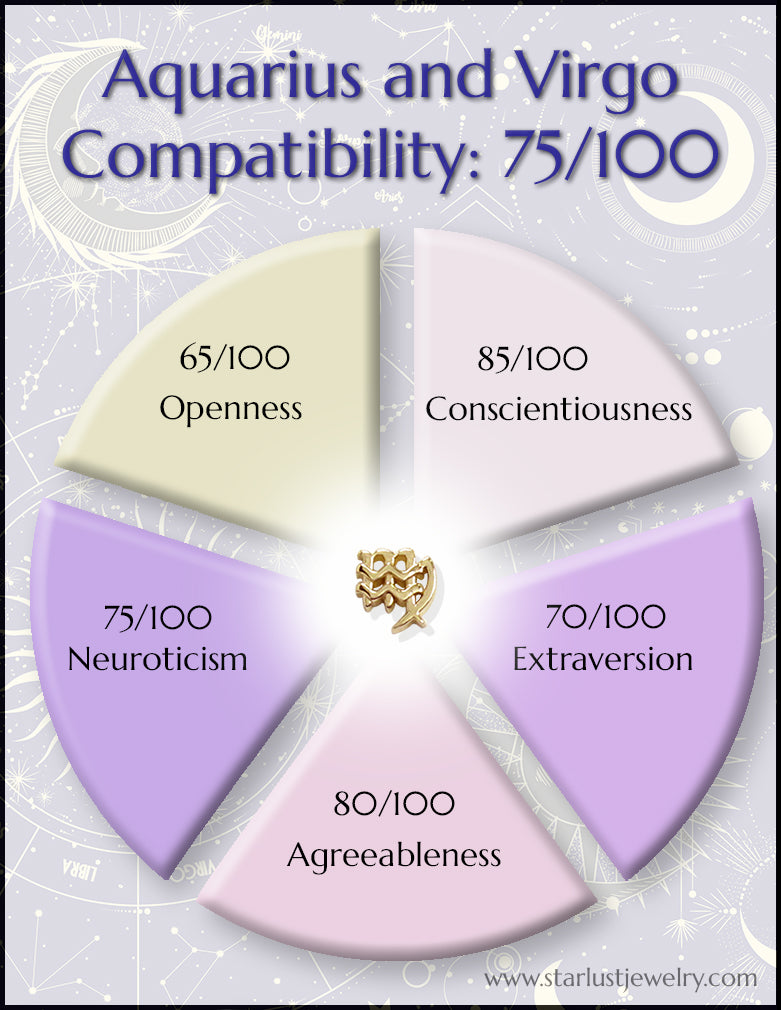
The Clashing Begins
When we first started, it was a real head-scratcher. I’d see Alex getting super frustrated with Brenda. She’d propose a huge overhaul to the database structure, like, out of nowhere, without detailing any of the migration steps or the potential risks. Alex would just get this look on his face, like he was smelling something bad. He’d start listing all the reasons it wouldn’t work, all the dependencies, the hours it would take to even just think about it, let alone implement it. He’d want a full, detailed plan, a timeline, risk assessments, everything before even considering her idea.
Brenda would just roll her eyes. She’d say, “Alex, we gotta be innovative! We can’t get stuck in the mud with all these old ways!” She’d complain that Alex was holding us back, that he was too focused on the small stuff to see the potential. There were these moments, man, where the air in the room would just get thick. I saw them get into it once about whether to use tabs or spaces in code. Seriously, tabs or spaces. Alex wanted consistency, Brenda thought it was a trivial waste of time to even talk about.
We’d be in meetings, and Alex would be presenting a meticulous report, full of charts and data, explaining every little snag we hit, every tiny optimization. Brenda would be doodling, maybe checking her phone, then suddenly she’d interrupt with a question that had nothing to do with what Alex was saying, but rather a completely new direction for the product, totally out of left field. Alex would look like he wanted to scream. I swear sometimes he just wanted to bury his head in his hands.
Finding a Rhythm
It took a while, a good few months of this push and pull, for me to start seeing the pattern, and more importantly, how to make it work. I started putting them on tasks where their natural tendencies actually complemented each other. It wasn’t easy, but slowly, it started to click.
- Planning and Execution: I’d get Brenda to spit out all her crazy, awesome ideas for new features or big changes. She’d brainstorm for an hour, no holds barred, just pure creativity. Then, I’d take those ideas and hand them over to Alex. He’d take Brenda’s wild concepts, and he’d figure out how to actually build them. He’d break them down into manageable tasks, identify the dependencies, map out the timeline, account for all the little edge cases Brenda totally ignored.
- Quality Control: When Brenda was coding, she’d churn out a ton of features fast, but sometimes, they’d be a bit rough around the edges. Not terrible, but not perfect. Alex was a godsend for that. He’d dive into her code, and he’d find every single bug, every inefficient line, every missing comment. He’d refactor it, clean it up, make it robust. Brenda hated the detail work, but she appreciated having solid code at the end of the day.
- Problem Solving: When we hit a wall on a tricky bug or a complex integration, Alex would meticulously trace the problem, step by step, going through logs, digging deep. He’d find the root cause, usually some tiny little thing. Brenda, if she got involved, she’d approach it from a totally different angle, maybe suggesting a radical workaround or a completely new architecture for that section that would just bypass the problem entirely. Sometimes her out-of-the-box thinking would crack something wide open that Alex’s methodical approach had missed because it was too unconventional.
I realized that Alex needed the big picture, the fresh perspective Brenda brought, to make sure he wasn’t just optimizing a dying system. And Brenda, she desperately needed Alex’s grounding, his attention to reality, to actually bring her fantastic visions to life instead of them just being pipe dreams. She learned to trust that he would iron out the kinks, and he learned that her wild ideas often held a nugget of genius that could actually move us forward in a big way.
It was like they were two sides of the same coin, really. One pushing the boundaries, the other solidifying the foundation. It wasn’t smooth sailing all the time, not by a long shot. They still had their moments where they’d clash over some seemingly minor thing. But once I got them working in their complementary zones, and they started to appreciate what the other brought to the table, man, that project really started to fly. We finished it, and it was actually pretty good. Blew away the client’s expectations, even. It just goes to show, you get different folks, you just gotta figure out how all their quirks can actually weave together into something strong.