

Man, let me tell you, when it comes to working with different folks, I’ve seen it all. But there’s something special, something really… dynamic, about when a Virgo and a Gemini get thrown together on a project. And yeah, I’ve had my fair share of those matchups, sometimes being one of ’em, sometimes just watching it all unfold from the sidelines.
I remember this one gig, years back. I was buzzing, full of ideas for this new campaign, just wanting to throw everything at the wall and see what stuck. That’s my style, you know? Fast, lots of talking, connecting dots that probably no one else even saw. And then there was this other person, a Virgo, on the same team. From day one, it was like we were speaking different languages. I’d be talking about the big picture, the ‘what if,’ the possibilities, and they’d immediately jump to, ‘Wait, how are we logging this? What’s the process? Did you check the numbers from last quarter?’
The Initial Clash and Confusion
It was honestly frustrating at first. I felt like I was constantly hitting a brick wall. Every quick idea I tossed out, every rough sketch, got met with a barrage of questions about details I hadn’t even thought about yet. My brain just works differently, you know? I like to explore, to branch out, to keep my options open. Their brain seemed to be built for finding the single, most perfect, most foolproof path, and every deviation from that path was a problem.
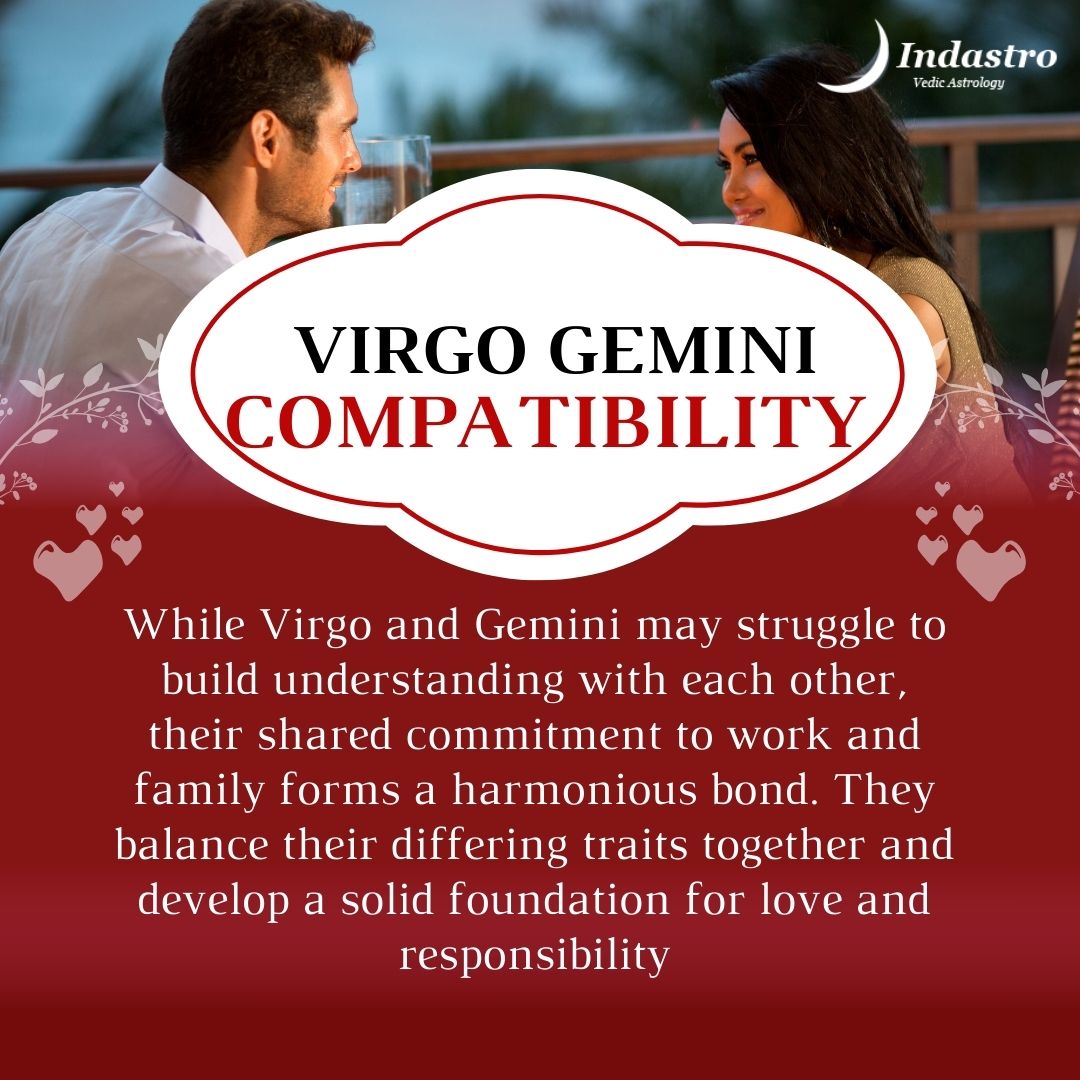
I’d bring up three different ways we could approach a problem, just to get the discussion going. And they’d look at me like I was crazy. They wanted the way. One way, clear, documented, bulletproof. It felt like they were trying to tie me down, slow me right down when all I wanted to do was sprint ahead and explore every avenue. And from their side, I bet I looked like a whirlwind, chaotic, leaving a mess of half-formed thoughts and open loops everywhere.
Digging Into the “How”
After a few projects that felt like pulling teeth, where we’d get to the finish line more exhausted than accomplished, I started thinking. This couldn’t be it. There had to be a way to make this work, because sometimes, you don’t get to pick your team, right? You gotta figure it out.
So, I started watching. Really observing. Not just what they did, but how they did it. And I started seeing things. When I’d throw out a bunch of wild ideas, yes, they’d pick them apart. But a lot of times, they were picking apart the actual weak spots, the things that would’ve blown up in our faces later. My quick, unrefined thoughts often missed critical steps or potential pitfalls. Their meticulous nature, that detail-orientation, it wasn’t just about slowing me down; it was about building a solid foundation.
Here’s what I started doing:
- I changed my pitch: Instead of just blurting out a concept, I’d try to give it a little more structure. Not everything, just enough for them to latch onto. A few bullet points, a rough timeline, even if I knew it was all subject to change. It was like giving them a scaffold to work with, rather than just a pile of loose bricks.
- I learned to appreciate the pause: When they’d ask for details, I’d take a breath. Instead of getting defensive about my lack of immediate answers, I’d say, “Good question, let me get back to you on that,” or “Yeah, we need to nail that down.” I started seeing their questions as a filter, not an obstacle.
- I designated roles, even unofficially: I’d often take the lead on brainstorming, getting the ball rolling, making the initial connections. But then, I’d actively hand it over for “refinement.” I’d literally say, “Okay, I’ve got the raw clay here, now I need your sculpting hands.” It gave them a clear purpose and value, and it kept me from getting bogged down in the minutiae that drains my energy.
- I embraced the feedback loop: Instead of seeing their critiques as personal attacks on my brilliant ideas, I started framing them internally as quality control. “This isn’t perfect yet. Good, they’re going to make it perfect.” It sounds simple, but that mental shift made a huge difference.
Mastering the Dynamics
There was this one project, building a new internal database for tracking customer inquiries. I, as a Gemini, was all about the user interface, the search functions, making it quick and intuitive. I was drawing up screens, mapping out user flows, thinking about how fast people could get information. The Virgo on the team? They were obsessed with the backend logic, the data integrity, error handling, ensuring every single field had the right validation. At first, it was the same old dance.
But this time, I tried my new approach. I’d show them my UI mockups, and instead of defending every pixel, I’d ask, “What are the potential data problems here? Where could a user mess up the data entry?” And they’d light up. They’d point out things I’d never even considered, like edge cases for specific characters, or how a dropdown menu might lead to inconsistent data if not managed properly. I’d take their feedback, go back, adjust the UI flow to pre-empt those issues, and then present it again.
And when they were deep in the backend code, perfecting the database schema, I’d check in, not to rush them, but to ask, “How can I help test this? What kind of input should I be throwing at it to break it?” I’d use my quick, exploratory nature to poke holes, just like they would, but from a user perspective. It was like we were covering each other’s blind spots.
And you know what? That project was one of the smoothest, most robust things we’d ever built. It had my user-friendly front end and their bulletproof backend. It truly felt like a whole, much stronger than the sum of its parts. It wasn’t about changing who we were; it was about understanding how we naturally operated and then actively finding ways to make those different styles complement each other.