

I didn’t choose to study this stuff; it chose me. This whole messy journey started with a six-month disaster I’d just clawed my way out of. I met a Virgo, and right away, I figured, “Smart, organized, seems like a straight shooter.” What I got was a full-blown psychological field experiment that damn near cost me my sanity. We broke up over an argument about how I loaded the dishwasher—seriously, a two-day cold war because the spoons weren’t facing the right way.
I was done blaming myself, done thinking I was just a chaotic wreck who couldn’t handle a simple relationship. After the dust settled and I finally had my apartment back to myself, I decided to treat the whole thing like a project. Screw the fluffy, generic articles you see online. I was going to document the evidence. I pulled up old texts, checked my journal entries (yeah, I keep one, don’t judge), and started logging everything I could remember about the patterns. I wasn’t looking for a horoscope; I was trying to find the actual operating manual for the species I’d just encountered.
Logging the Data: Identifying the Triggers
I grabbed a big, cheap notebook—the kind you use for grocery lists—and started categorizing the major conflicts. It took me a week just to process the sheer volume of nitpicking. I ignored all the emotional stuff at first and just focused on the action. What did I do? What did they do? What was the result? I was looking for the cause-and-effect that led to the silent treatments and the two-hour “discussions” about my poor life choices.
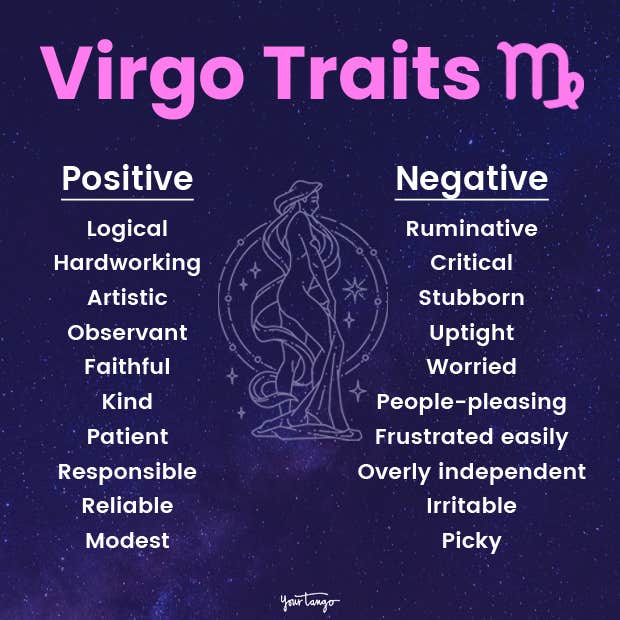
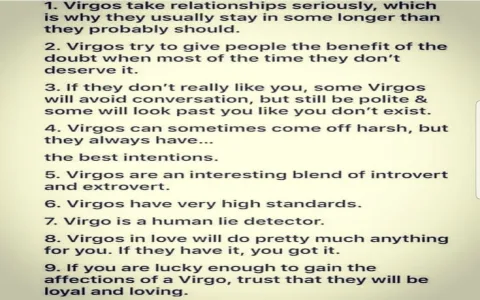
The patterns started hitting me hard, like running into a wall you didn’t see coming. It wasn’t random at all. It was a system. By the end of the second week, I had five solid, ugly truths that explained why things always went sideways. These weren’t romantic insights; these were cautionary maintenance labels. This is the stuff I realized you absolutely need to know if you’re going to try and date one of these highly functioning, highly critical people.
Here’s the damn handbook I wrote for myself.
- The Process Is The Point, Not The Feeling: I realized that for them, the internal thinking process is always running. They don’t just feel an emotion; they analyze the root cause, the long-term implications, and the most efficient way to process it. When I said, “Don’t overthink it,” I might as well have been speaking ancient Greek. I watched it happen repeatedly. They weren’t ignoring me; they were busy running a full system scan on my behavior. You’re dating a sophisticated machine that needs time to boot up and run diagnostics before giving you an answer.
- Acts of Service Aren’t Just Nice, They’re the Currency: Forget flowers or cards. I logged four instances where I got a genuine, unprompted positive reaction. Every single time, it involved me fixing something in their apartment, organizing their bookshelf, or taking care of a complicated piece of admin work they hated. They cleaned my bathroom once instead of arguing, and it was the strongest apology I’d ever gotten. They don’t use mushy words; they use efficient labor. If you want to talk romance, do the laundry.
- Unscheduled Deviation Triggers Emergency Lockdown: I tried to surprise them with a weekend trip three times. Three times, it led to massive resistance, stress, and eventual resentment. The moment I started logging it, the pattern was clear. The schedule is their safety net. When you yank that net out, they don’t see a fun adventure; they see chaos. If it’s not on the planner, it doesn’t exist. My job became realizing that flexibility isn’t valued; stability is. I started getting their input weeks ahead for anything bigger than a pizza order.
- The Automatic Compliment Filter is Always On: I spent months trying to boost their confidence. “You look great.” “That presentation was fantastic.” Every time, without fail, they’d deflect it, point out the one minor flaw, or somehow twist the compliment into a reason why they should actually be doing better. I logged five attempts in one week alone. I finally realized it wasn’t that they didn’t appreciate the words; it was that the internal self-criticism was so loud, the compliment couldn’t get through the firewall. My log showed the only time positive reinforcement stuck was when I gave specific praise on a measurable task they’d already done perfectly—like “That pivot table you built is genius.”
- Commitment is a Wall, Not an Opening: This one took the longest to see. The first few weeks were a cautious dance. But once they mentally committed, that was it. The door didn’t open wider; the foundation just got deeper. My log shows that once they decided I was “the one,” they stopped trying to impress and started managing expectations, like a project manager taking over a long-term assignment. They are loyal as hell, but the relationship stops feeling like a wild exploration and starts feeling like a perfectly organized, highly essential municipal utility service. It’s solid, but you don’t call the sewer company romantic.
The Shift in Perspective
I shut the notebook after a few months. I felt like I had cracked the code, not on a person, but on a system. All that pain, all the frustration—it wasn’t just poor chemistry. It was a failure to read the manual. I didn’t end up going back to them, but the process changed how I see people entirely. I stopped focusing on “Why are they so critical?” and started focusing on “How does their system work?”
It’s about survival, man. You either learn the five rules of the system, or you get filtered out. I spent six months feeling crazy because I thought their emotional baseline was the same as mine. It wasn’t. They operate on logic, structure, and service. I’m an emotional idiot who lives in the moment. The conflict wasn’t a flaw; it was a mismatch of operating systems. I realized then that my frustration was just data. I logged it, processed it, and now I share it, so maybe you don’t have to start a two-day fight over a misplaced sponge. You’re welcome.