


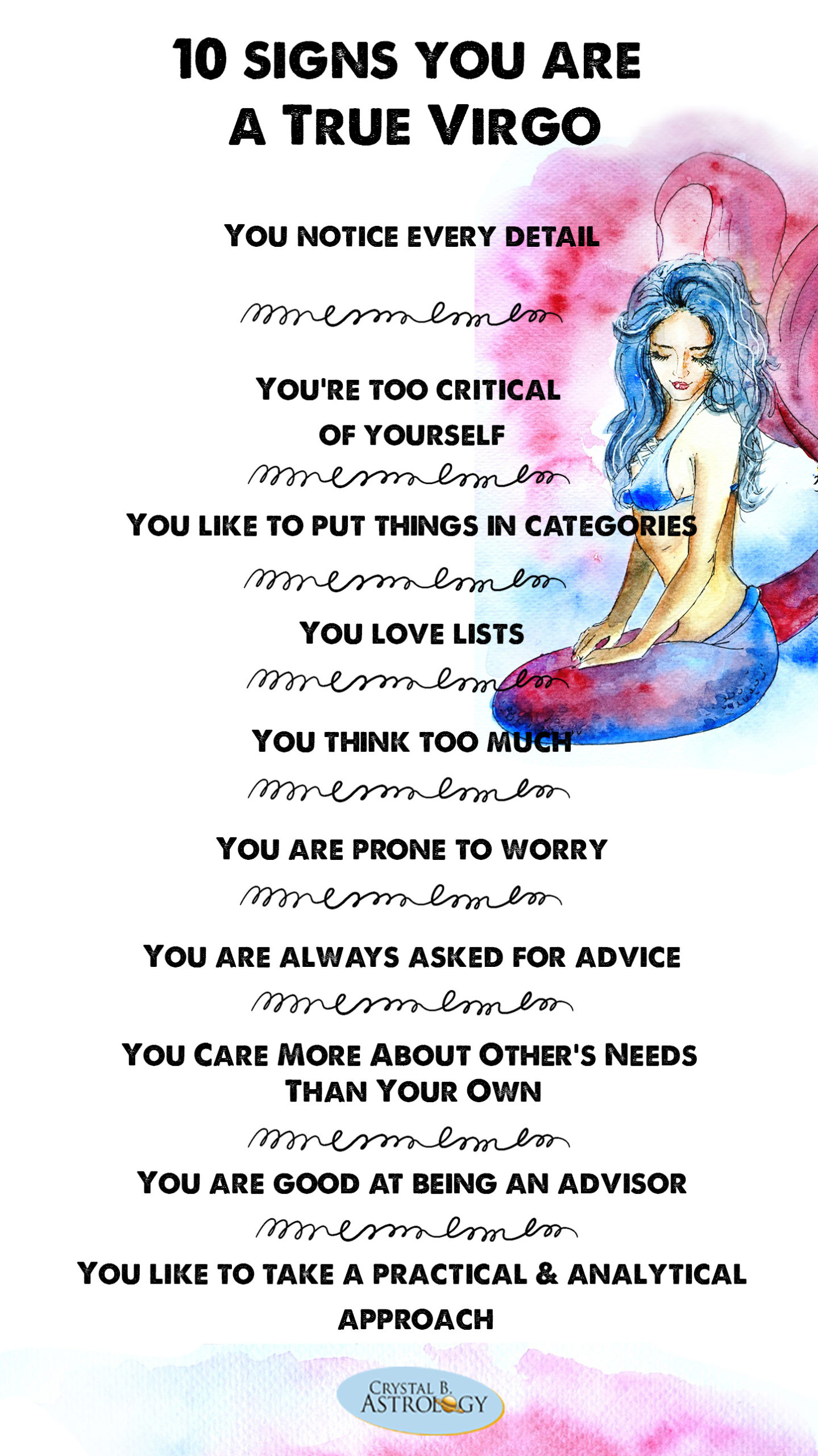
Man, when people talk about Virgos, they immediately jump to the same old garbage: neat freaks, overly critical, boring. It’s like everyone decided they know the score based on some cheap magazine article from 1998. The truth? That surface stuff? It’s just the exhaust. You gotta look at the engine.
I fell into that trap, for real. I had this partnership, a huge project, working with this woman, total Virgo. At first, I just thought she was being an absolute pain in the neck. Every single email, every single plan, she tore it apart. Not just a little suggestion, I mean shredded. I remember thinking, “Who hurt you? Why are you this stressed about the font size?”
The Project That Drove Me Nuts: My Initial Blind Spot
Our project was a mess from the start, a huge home renovation job that had tight deadlines and even tighter budgets. I approached it like I usually do: get the big picture right, deal with the details later. She was the exact opposite. Every night, I would see her literally rearranging tools that I’d just dumped in the garage. I mean, literally counting screws.
I tried to ignore it. I told myself she was just control-freaky. We fought constantly, not about the big stuff, but about the process. She’d blow up when I said something was “good enough.” She’d get super cold and quiet when I missed a step in the cleanup routine. I was this close to bailing because I figured she was just a high-maintenance mess who needed to relax.
My entire understanding was based on the simple fact that she was annoying me. I chalked it up to her having a problem, not me having a perspective issue. I wasn’t digging into the core; I was just reacting to the noise.
My Forced Self-Study: The Moment I Started Tracking
What changed? Just like with my old job, it wasn’t a choice; it was a forced perspective shift. We hit this huge snag, totally unexpected. The main contractor walked, leaving us with half a roof and three weeks until the rain season started. Pure chaos. I went into panic mode, trying to fix everything at once. She didn’t panic. She went quiet, and she got organized.
I couldn’t just leave. I had a ton of money sunk into this thing. So, I was forced to observe, because the alternative was the whole house collapsing. I started a physical journal, just quick notes, because her reactions made no sense to my gut feeling. I documented her actions against my assumptions:
- I assumed she was being critical to feel superior. I saw her staying up until 2 AM learning about roof trusses because she was terrified the structure would fail and she’d be blamed.
- I assumed the tidiness was about aesthetics. I saw her perfectly aligning safety equipment because she had this deep-seated fear that I would get hurt, and she hadn’t prevented it. It wasn’t about the look; it was about pre-emptive service.
- I assumed she wanted control. I saw her trying to create a flawless system because she actually believed her effort was the only thing standing between success and catastrophic failure.
That’s when I finally pieced together the engine of a Virgo. It’s not control, man. It’s anxiety, disguised as practical perfection. They aren’t criticizing you; they are criticizing the flaw because the flaw is a threat to the structure, and if the structure fails, it means they failed to serve and uphold it. Their entire sense of self is tied up in useful perfection. The nagging is just a panic button being pressed before the disaster even arrives.
Getting to the Core: The True Drive
I realized that all those times she blew up over a small error? It wasn’t about the error itself. It was the moment she felt the system she had perfectly built to protect us from chaos had been momentarily dismantled. I watched her melt down over a dropped tool, only to calm down the second she was allowed to retrieve it and put it exactly back in its place.
My whole perspective flipped. I stopped seeing a picky person and started seeing someone who was battling internal pressure 24/7. The perfectionism isn’t a personality trait; it’s a defensive strategy against feeling useless, against that gnawing self-doubt that they haven’t done enough. When they focus on a tiny detail, they are making the massive, scary world small enough to manage.
I wouldn’t have learned this from a book. I had to be put in the trench with the rain coming down, forced to look past my own annoyance and document the actual cause-and-effect of the behavior. I had to realize that their true core isn’t being neat; it’s the constant, overwhelming need to fix things for the greater good, even if the only thing they can currently fix is the placement of a tape measure. It took months of dedicated observation, but once I finally saw the anxiety powering the engine, all the “misunderstood” traits suddenly made perfect, heartbreaking sense.